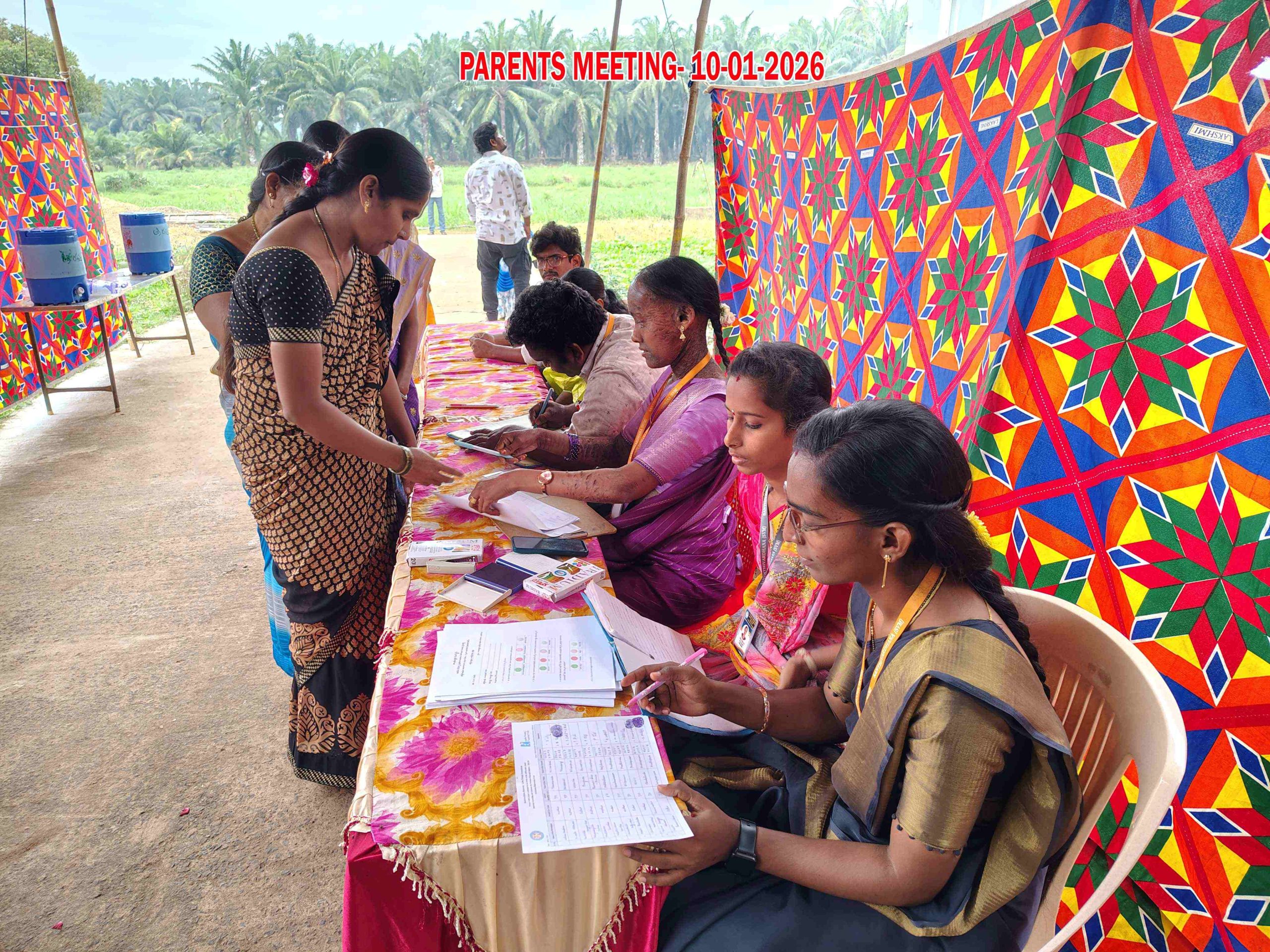
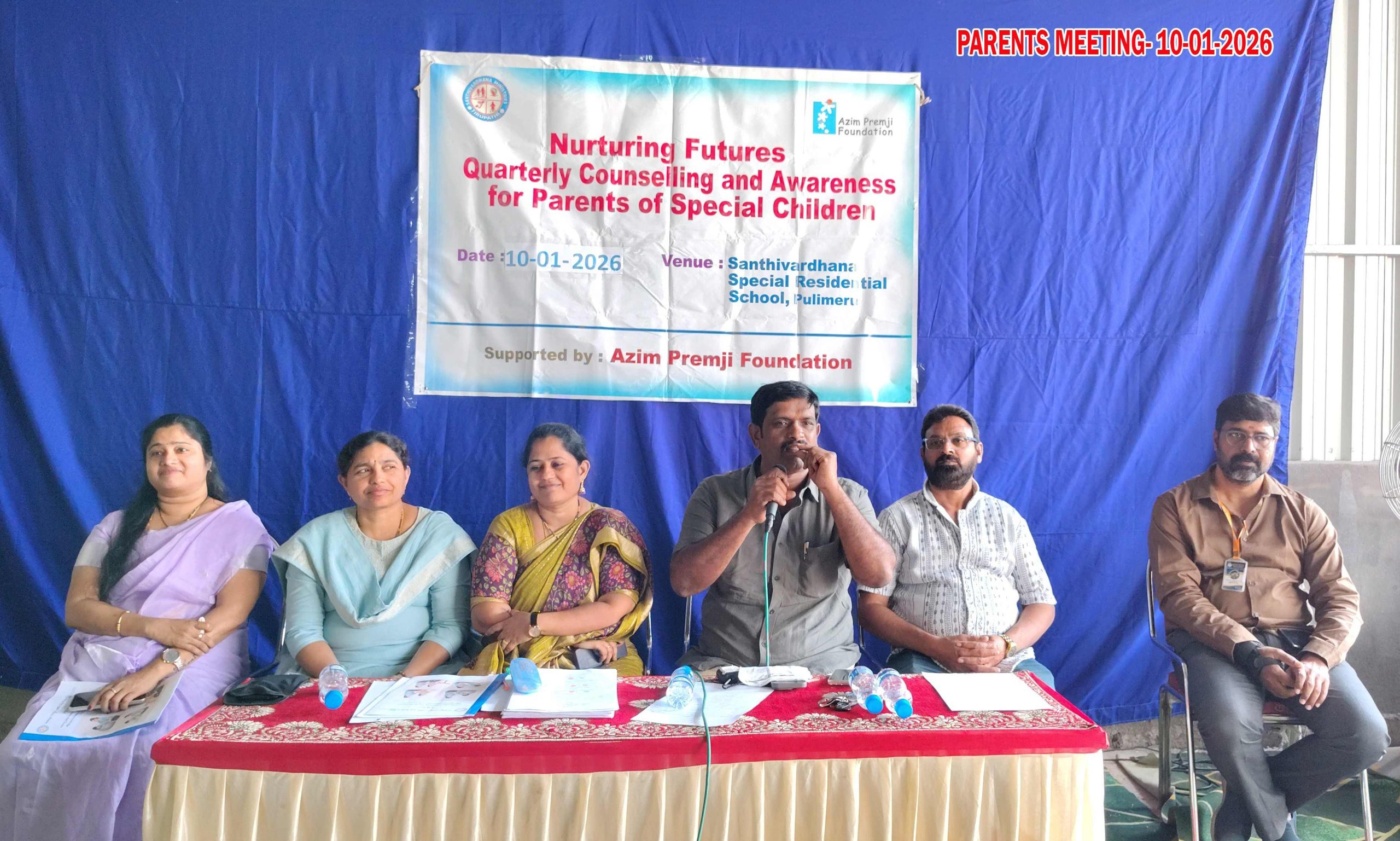
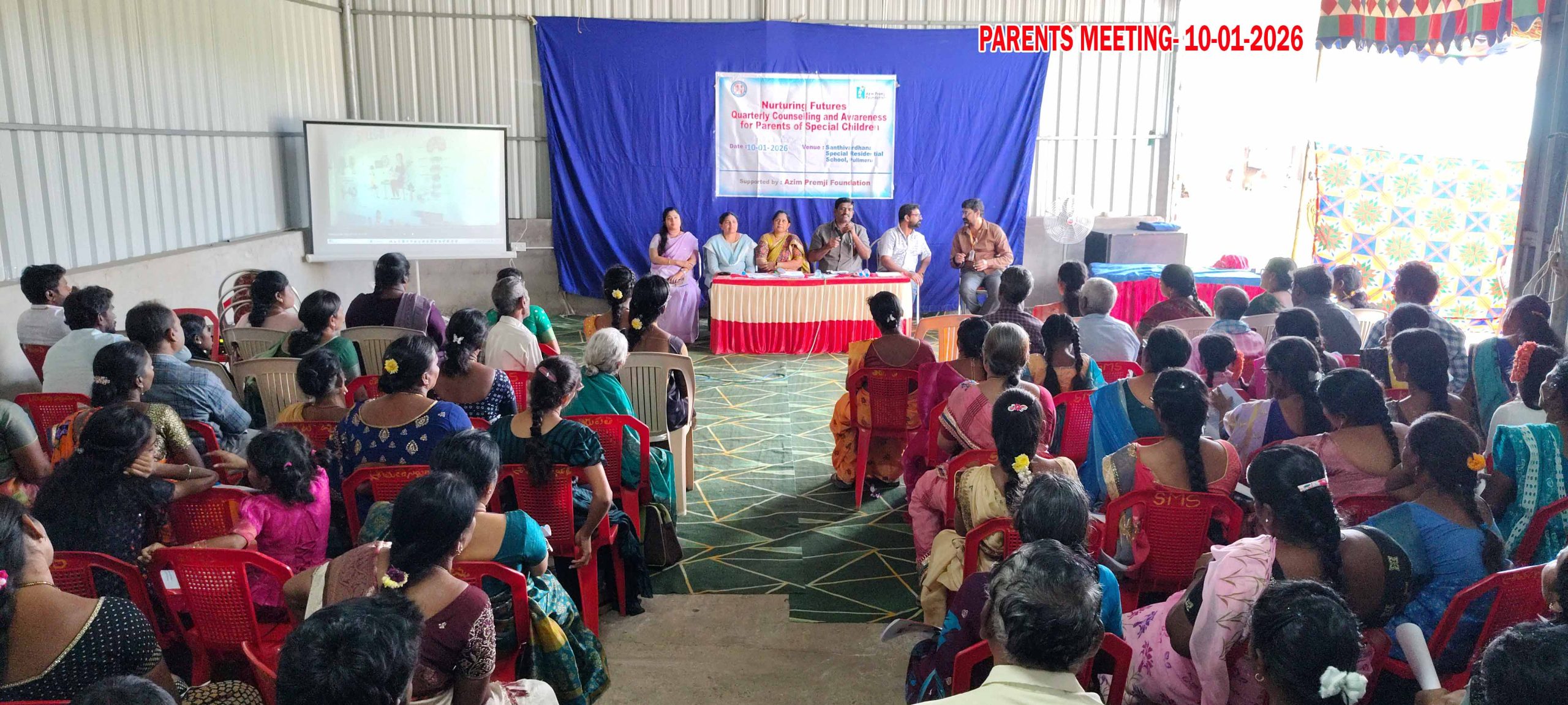
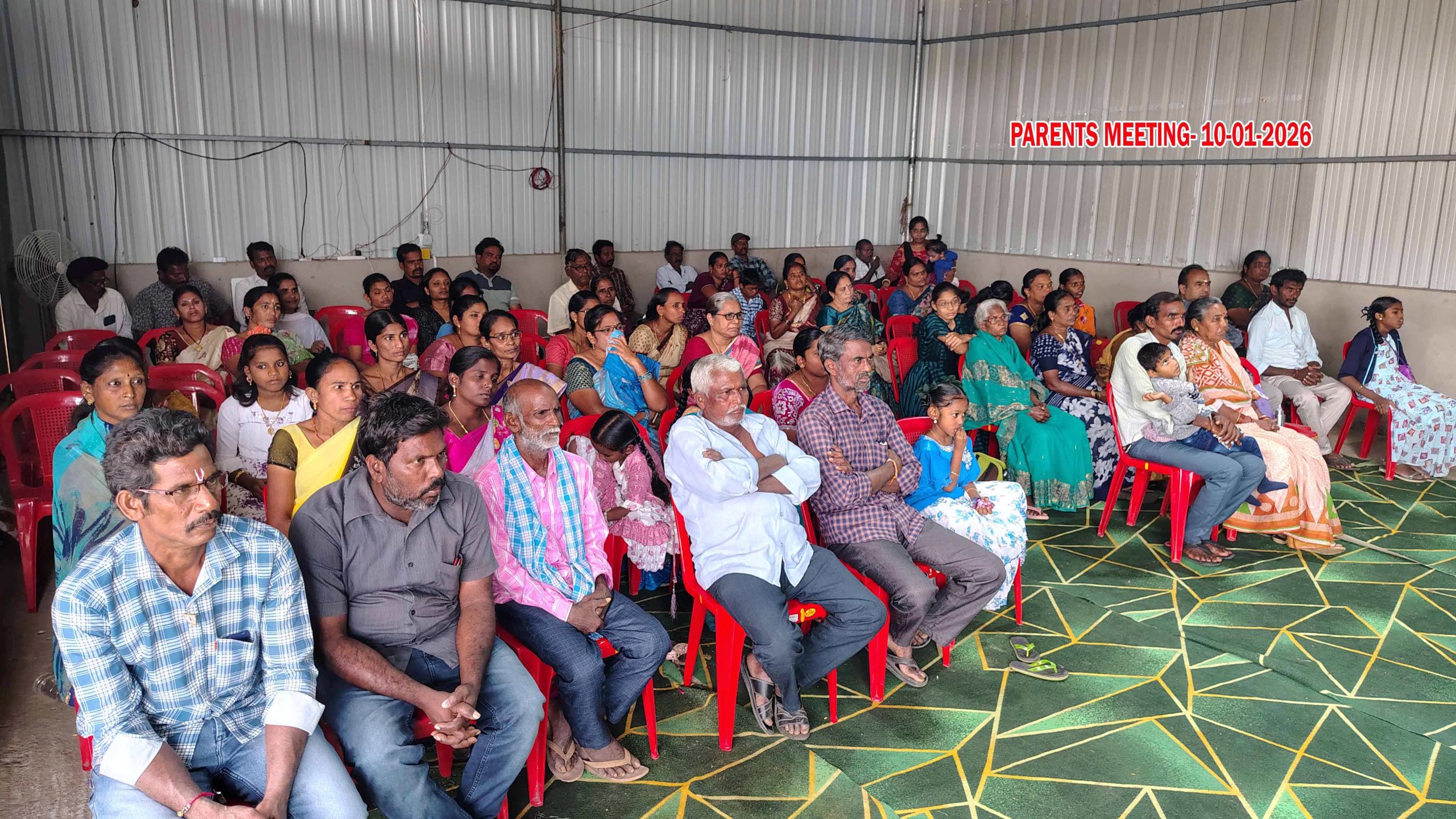
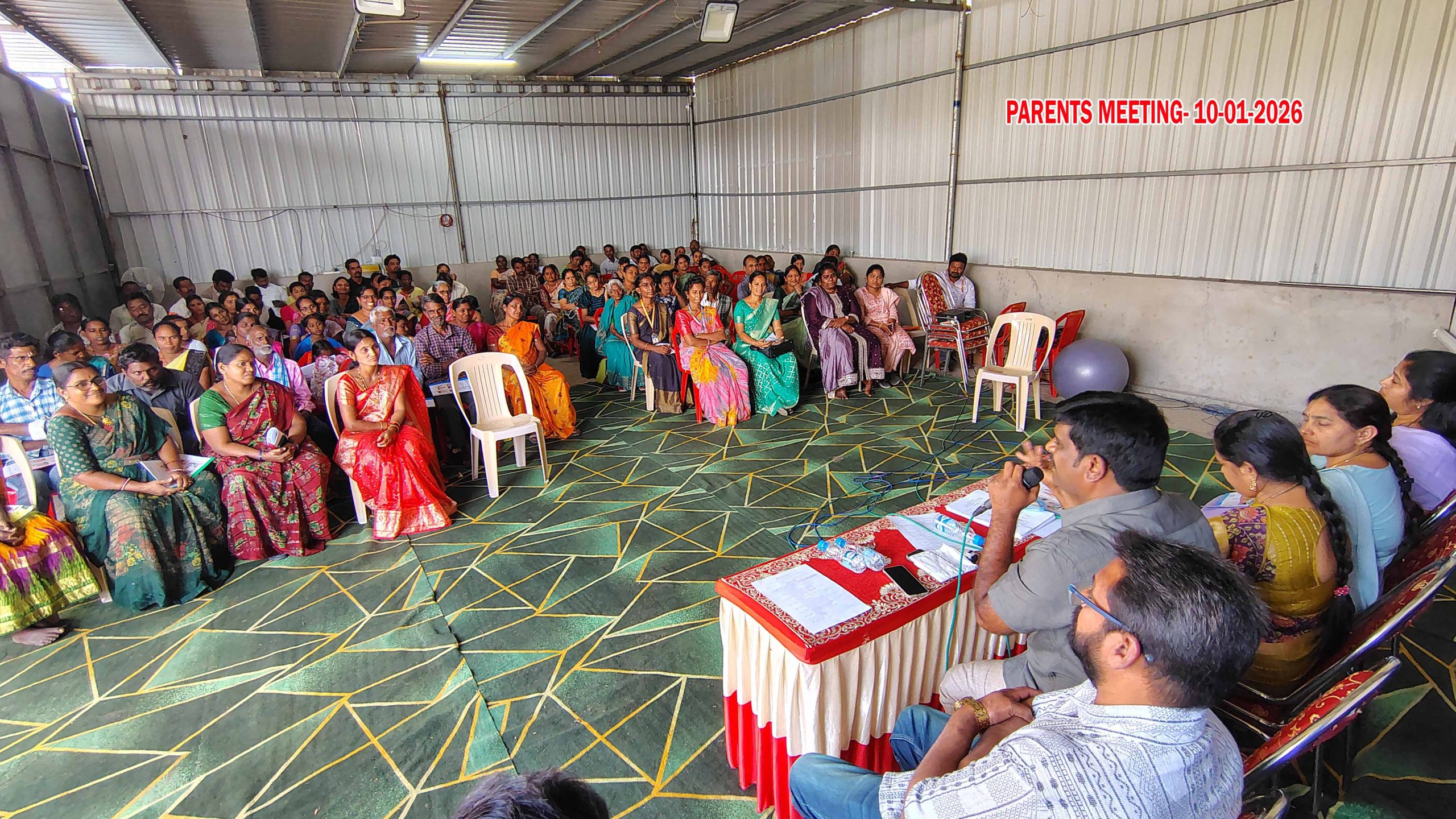
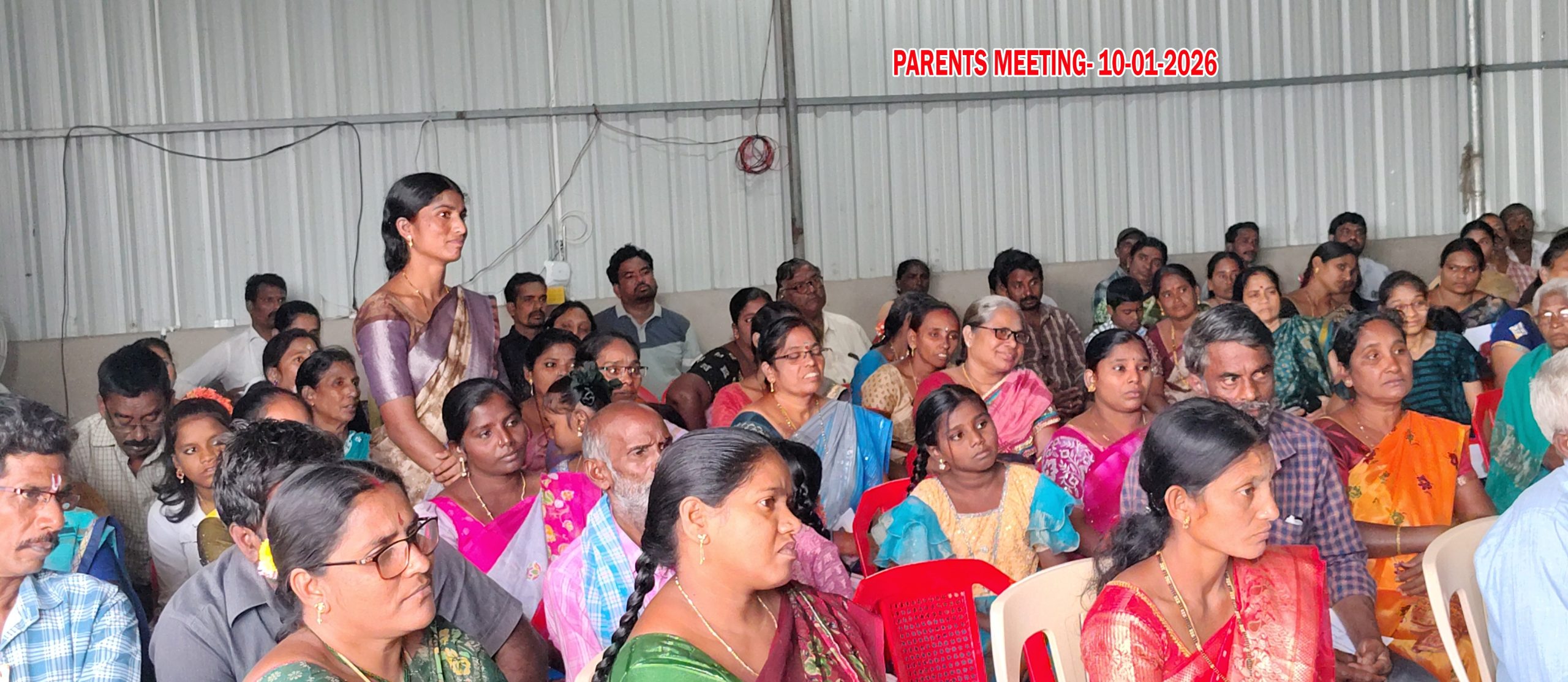
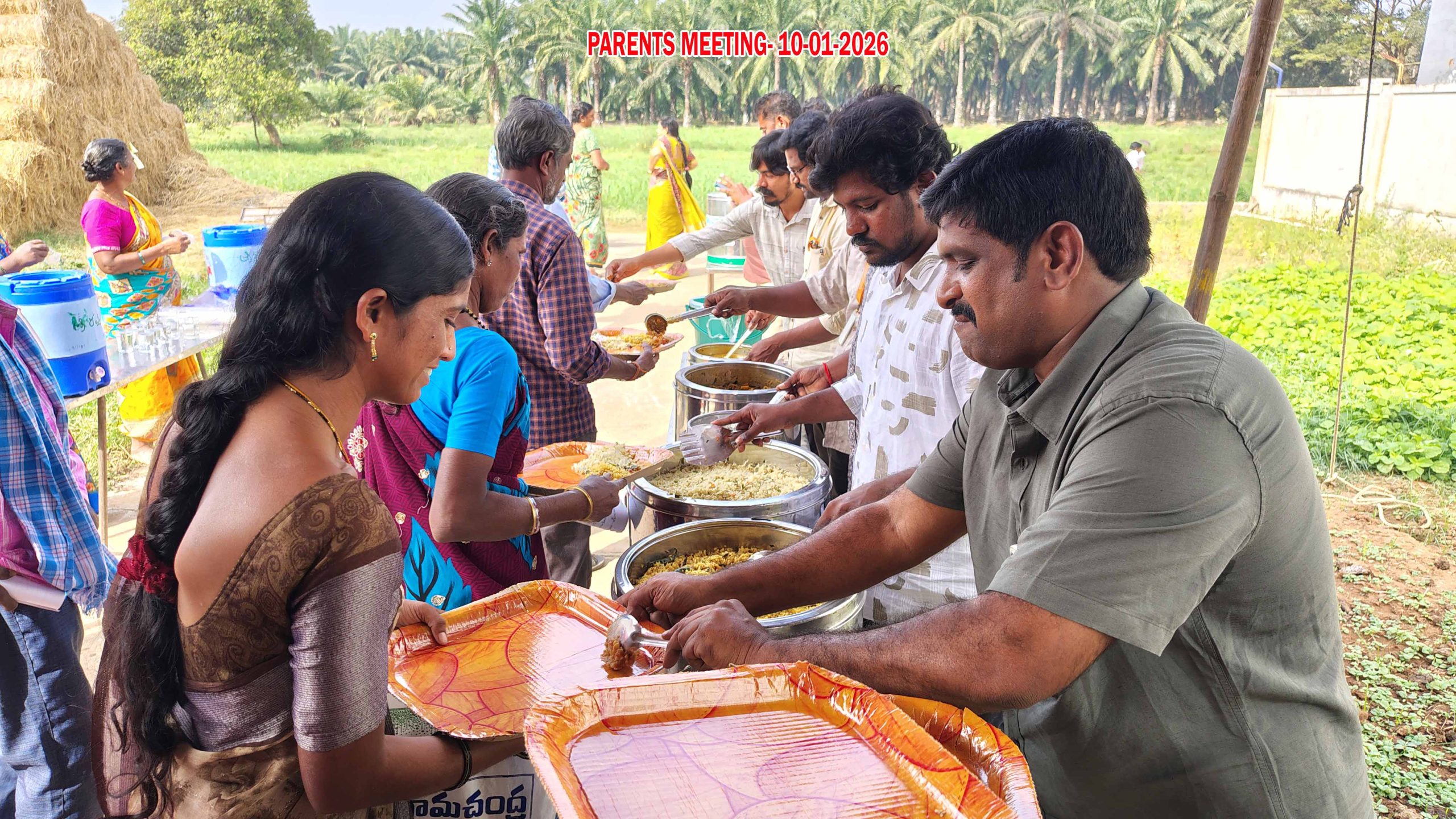
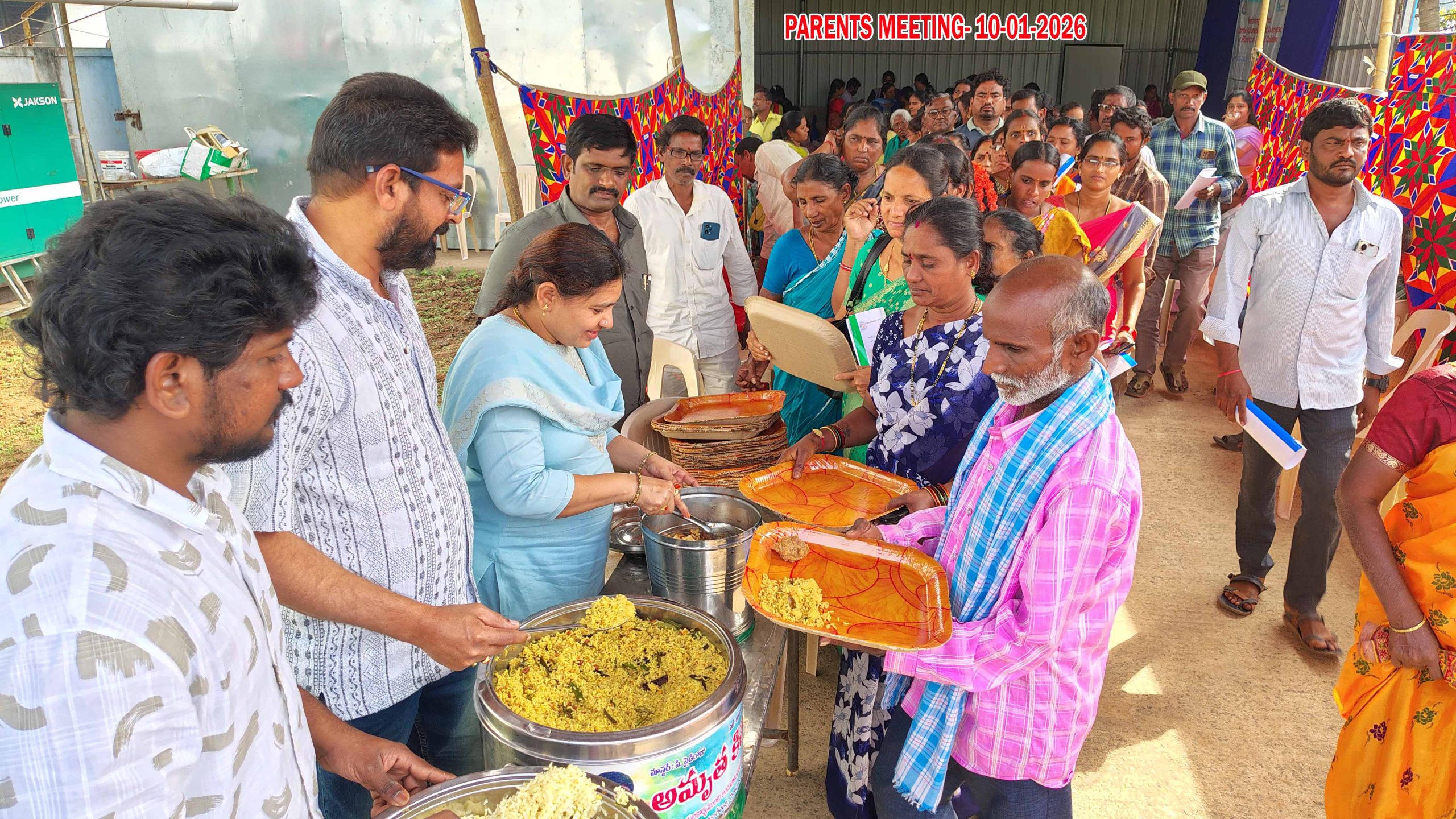
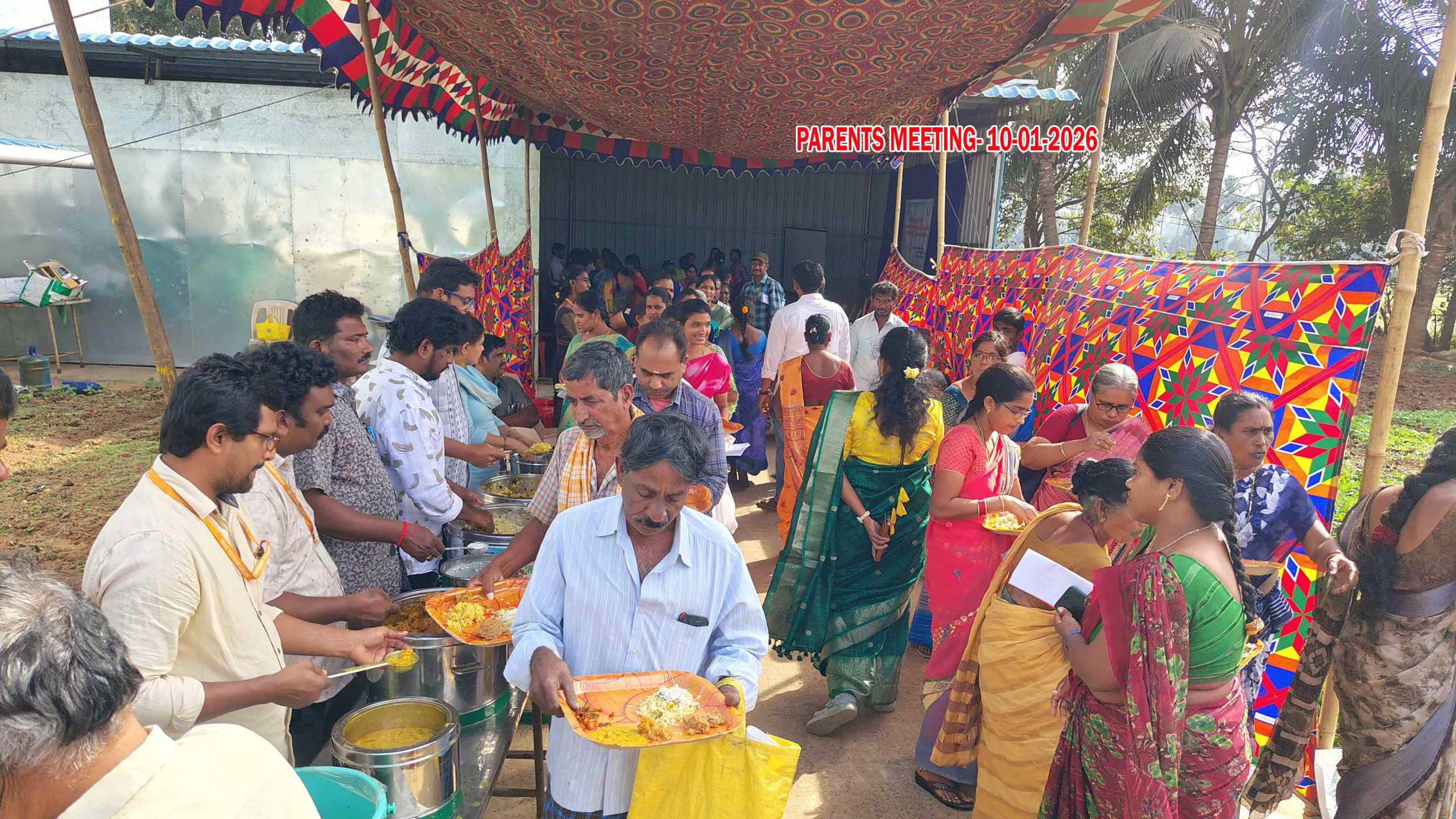
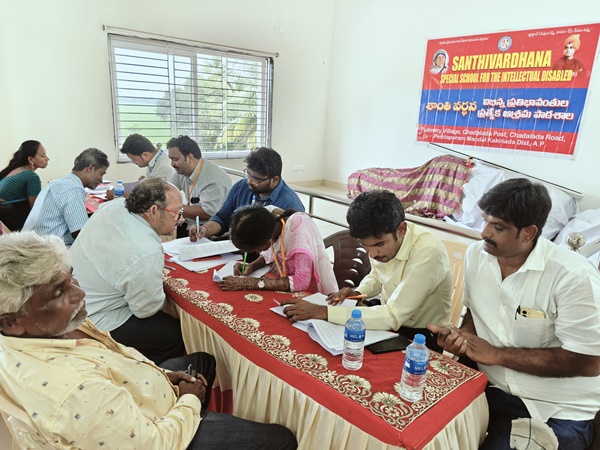
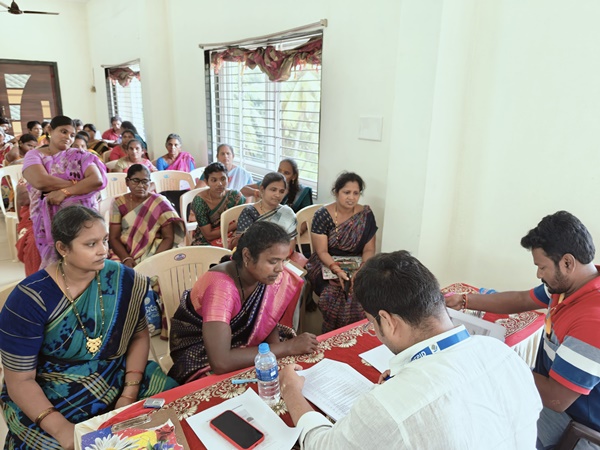
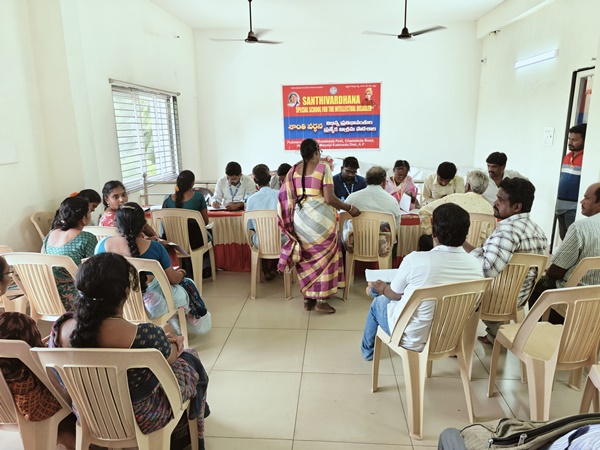
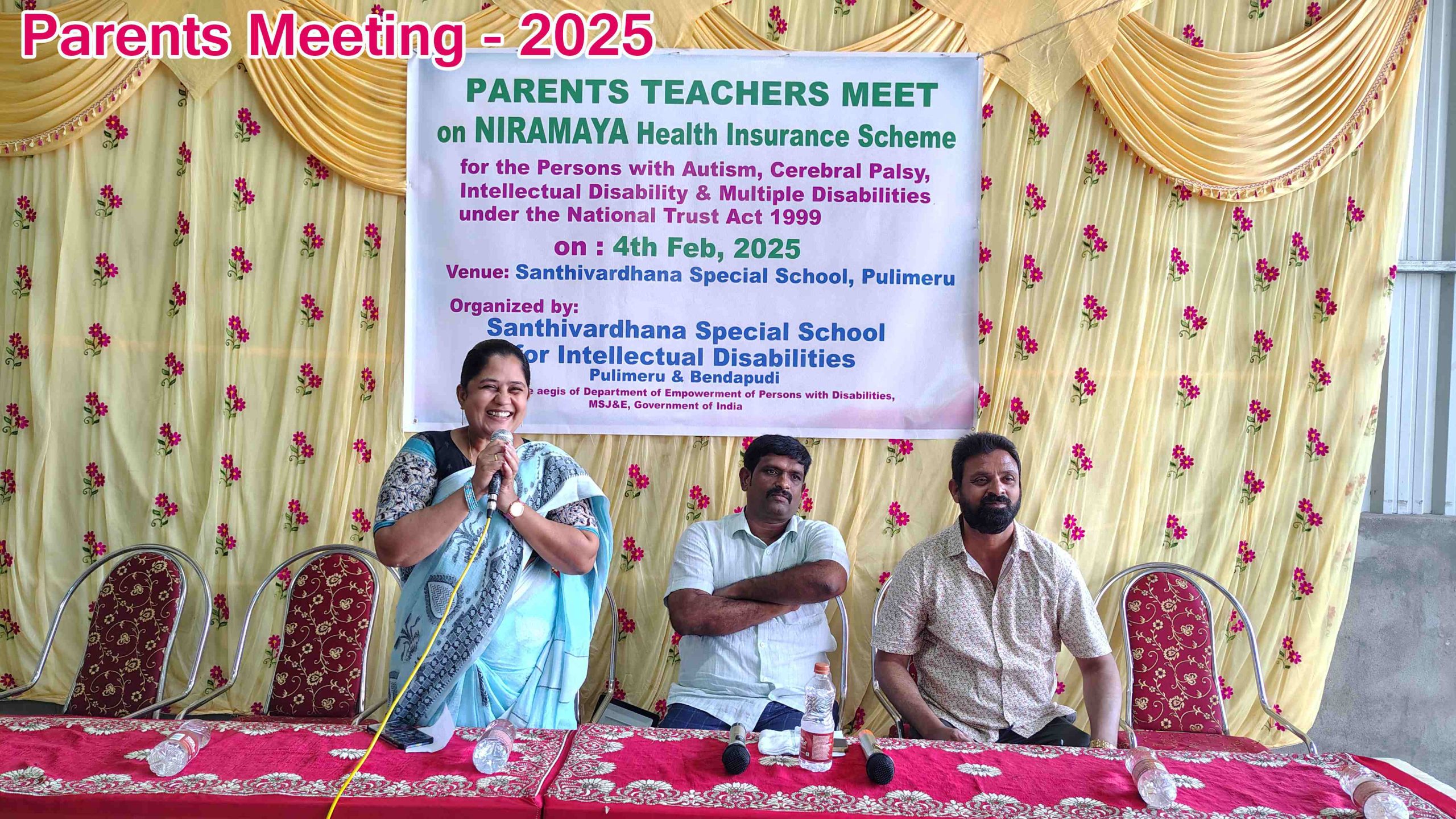
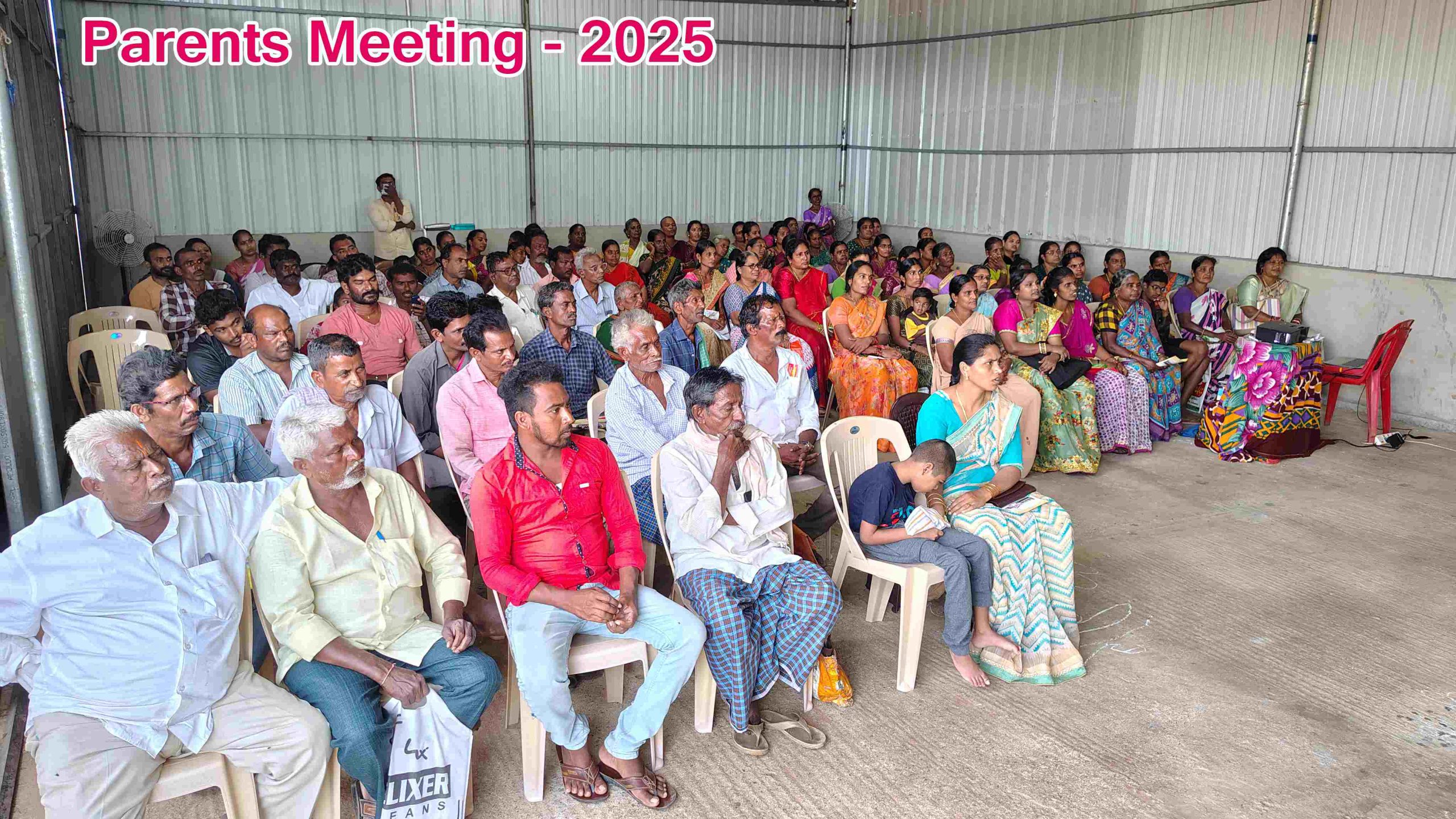
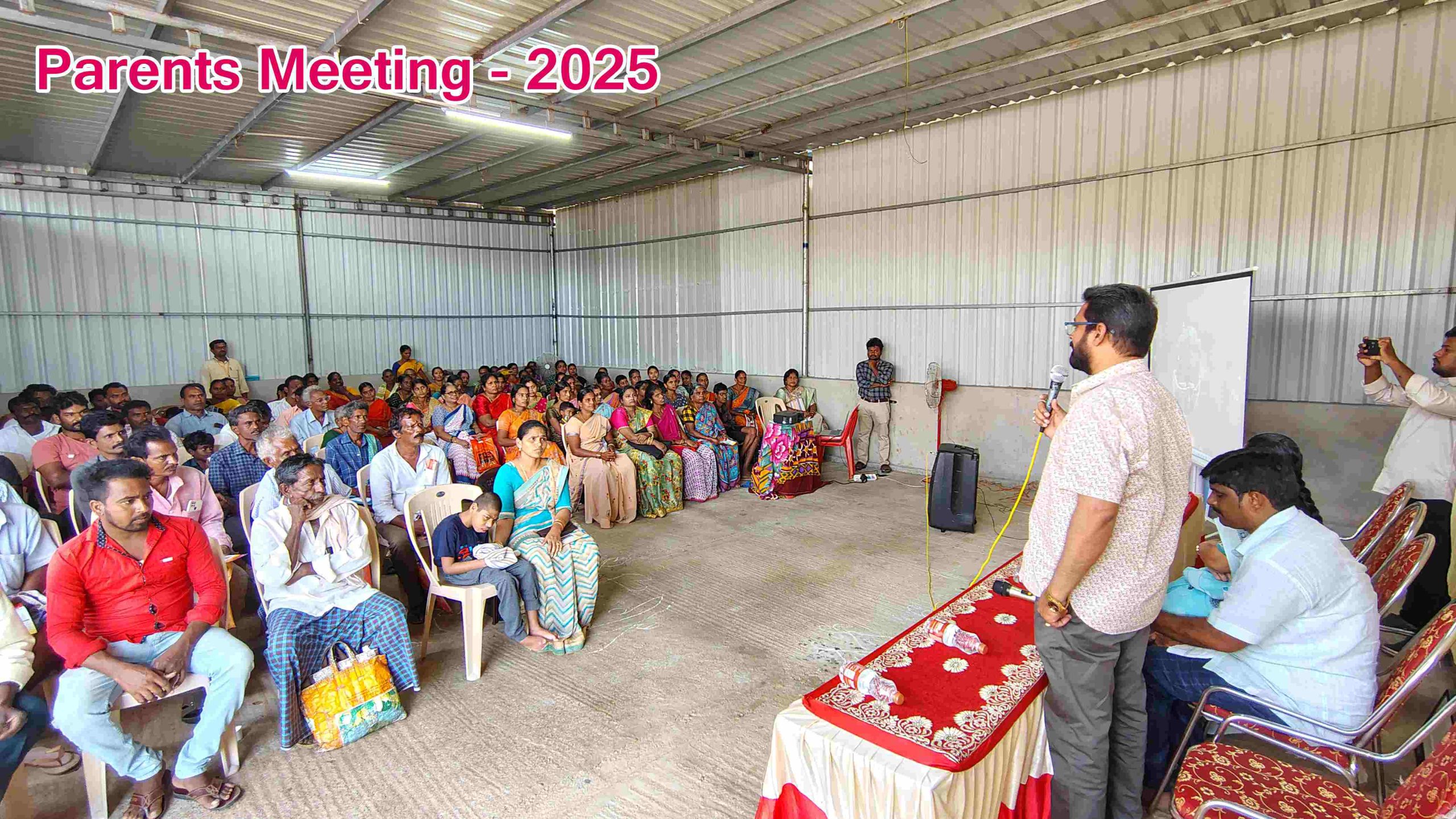
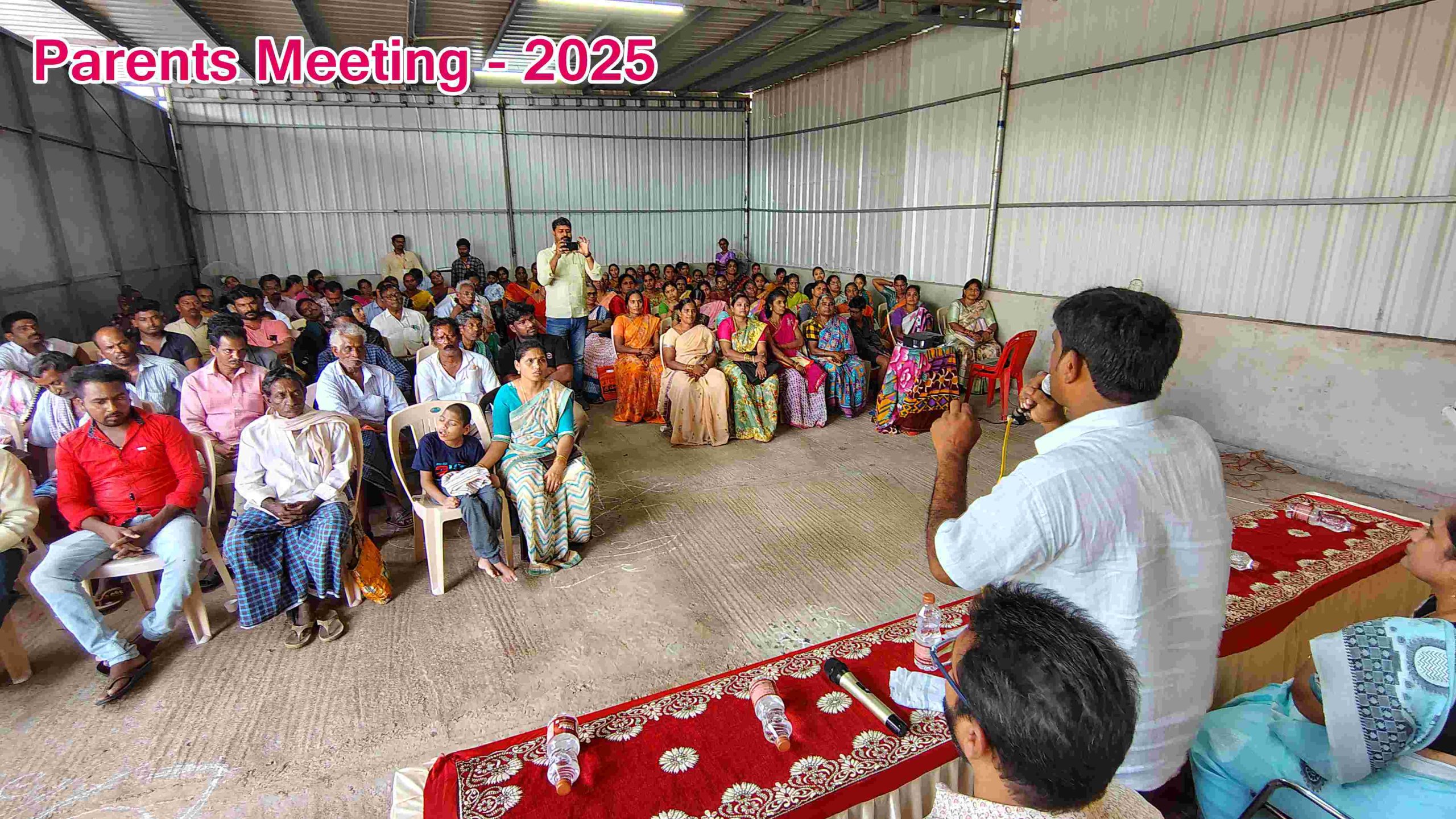
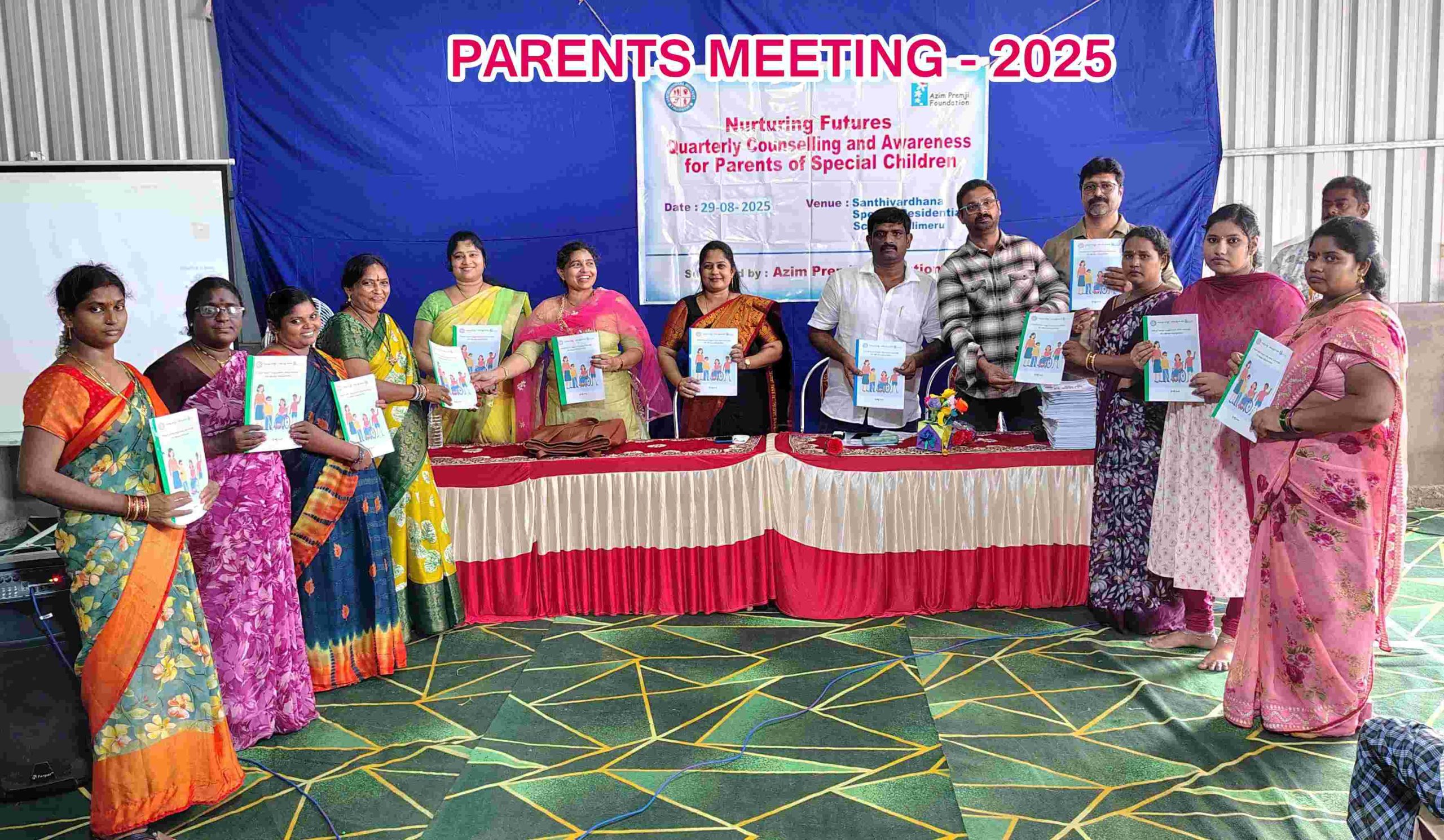
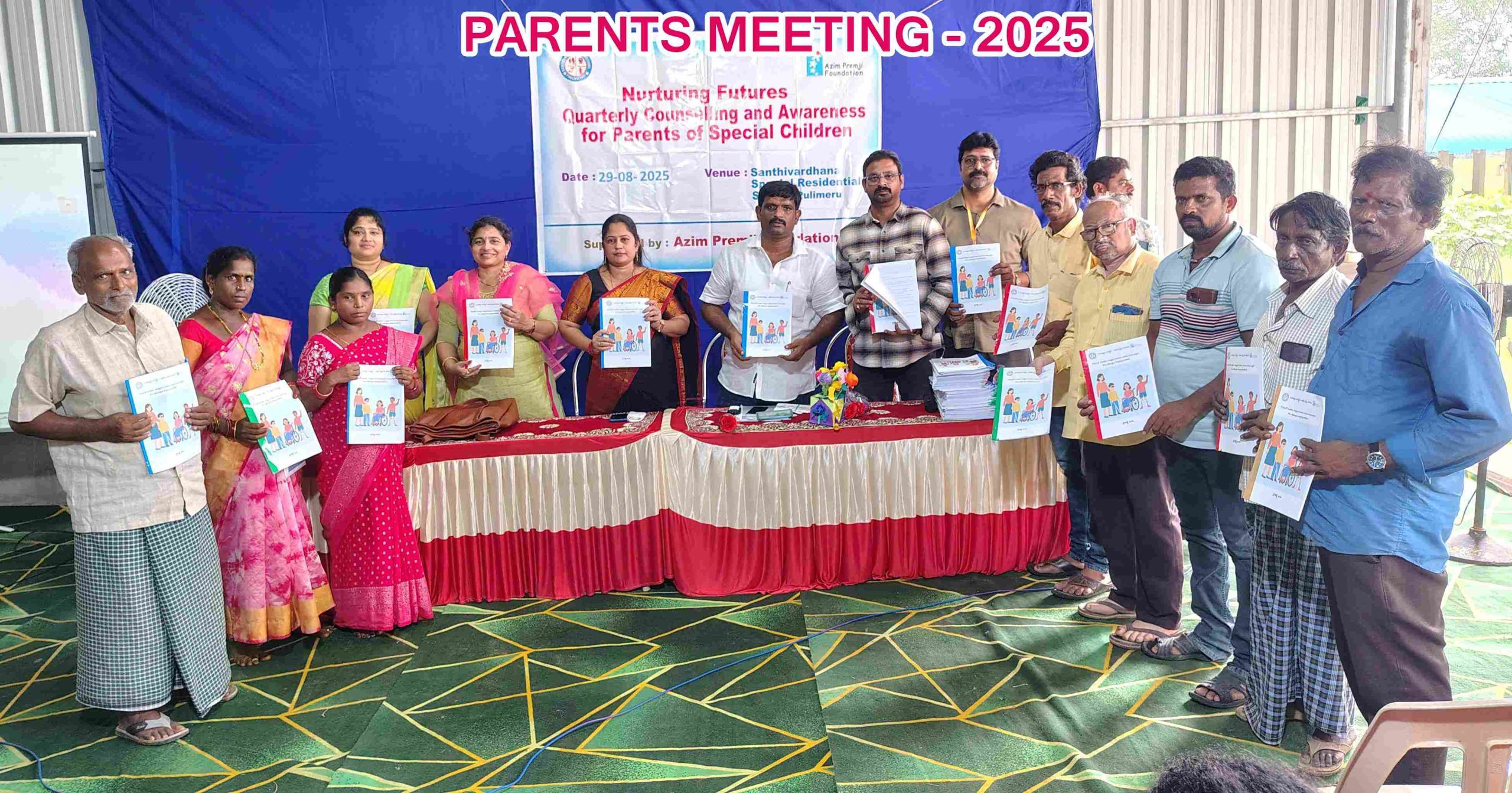
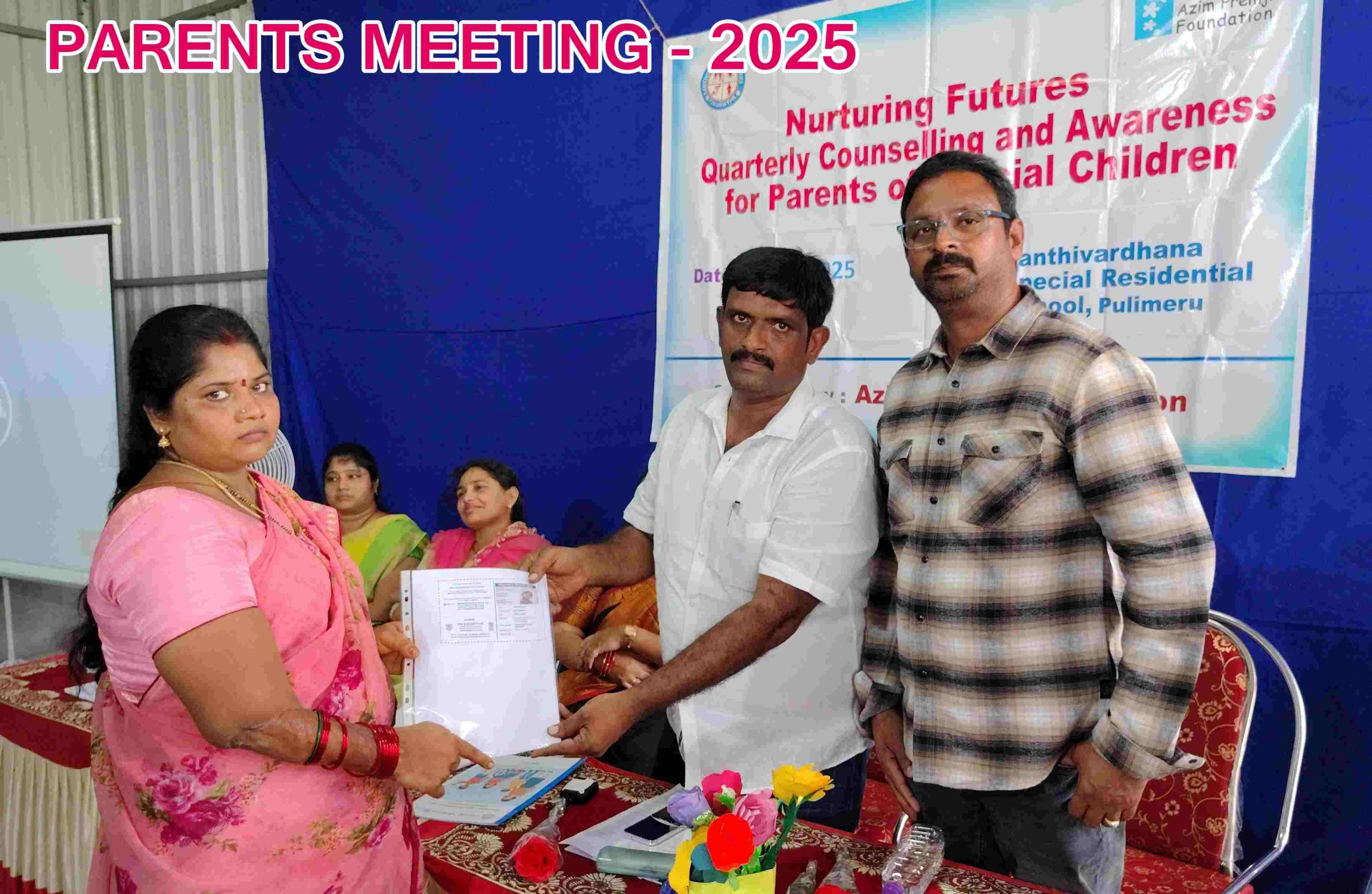
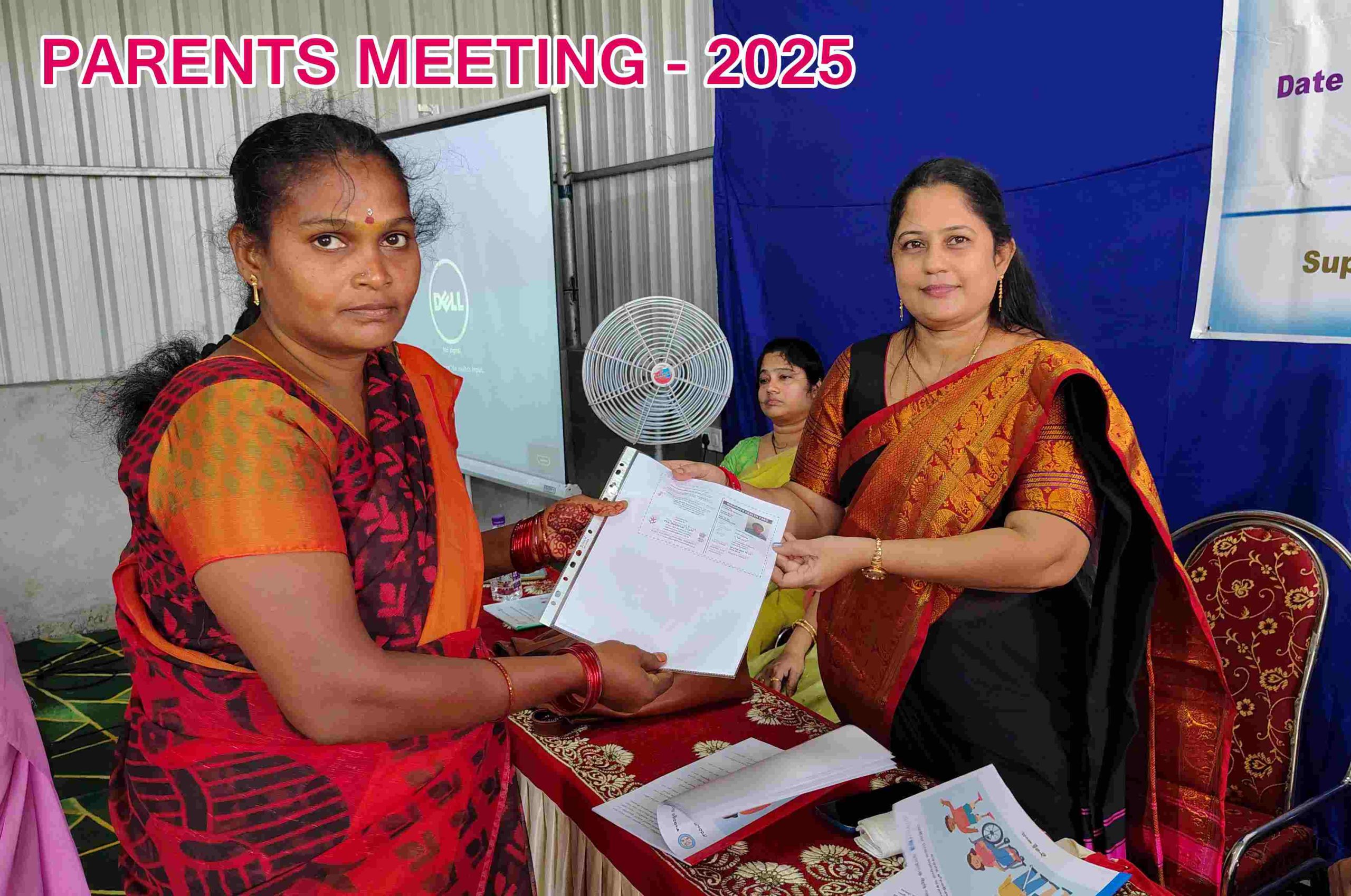
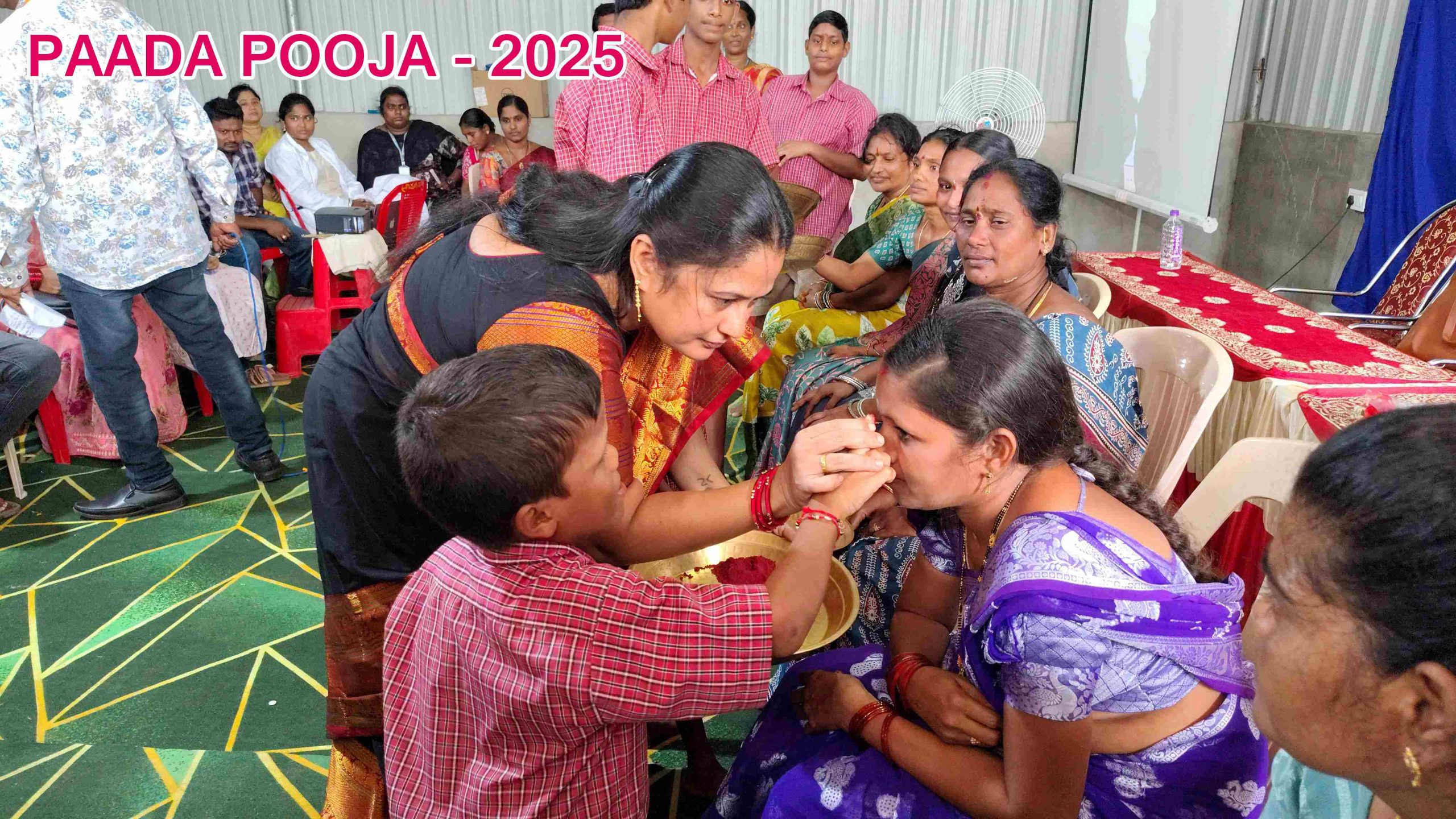
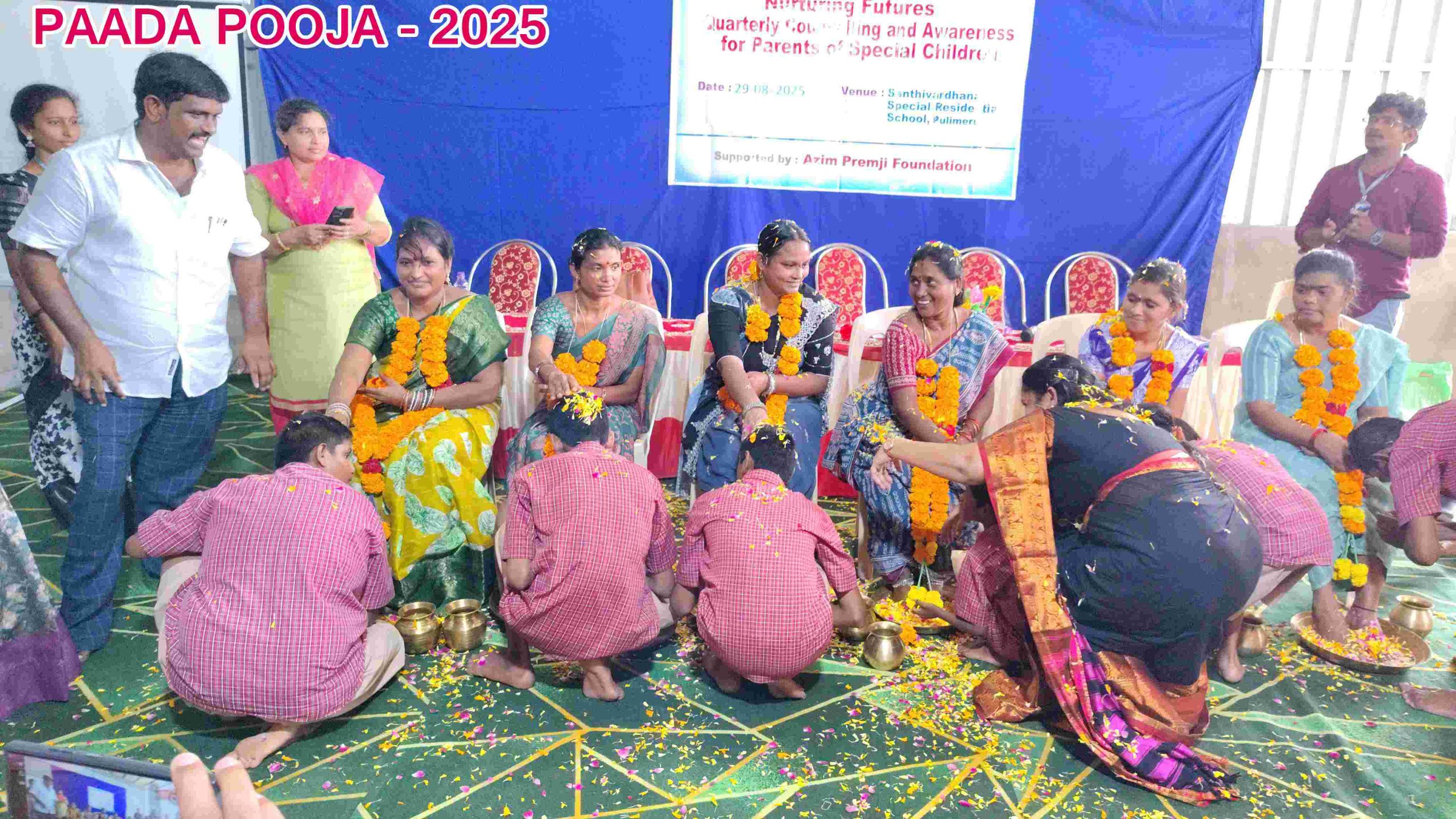
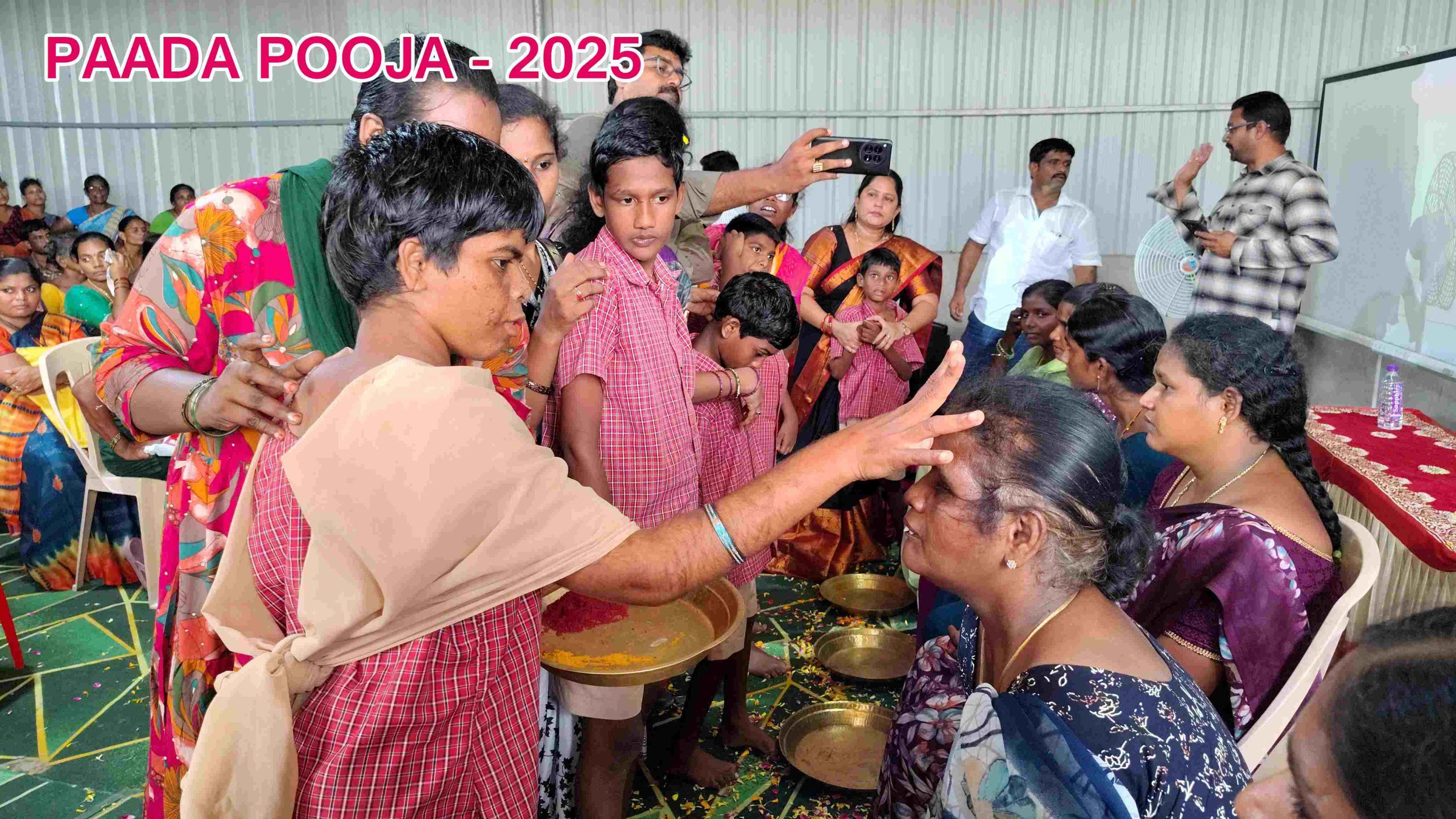
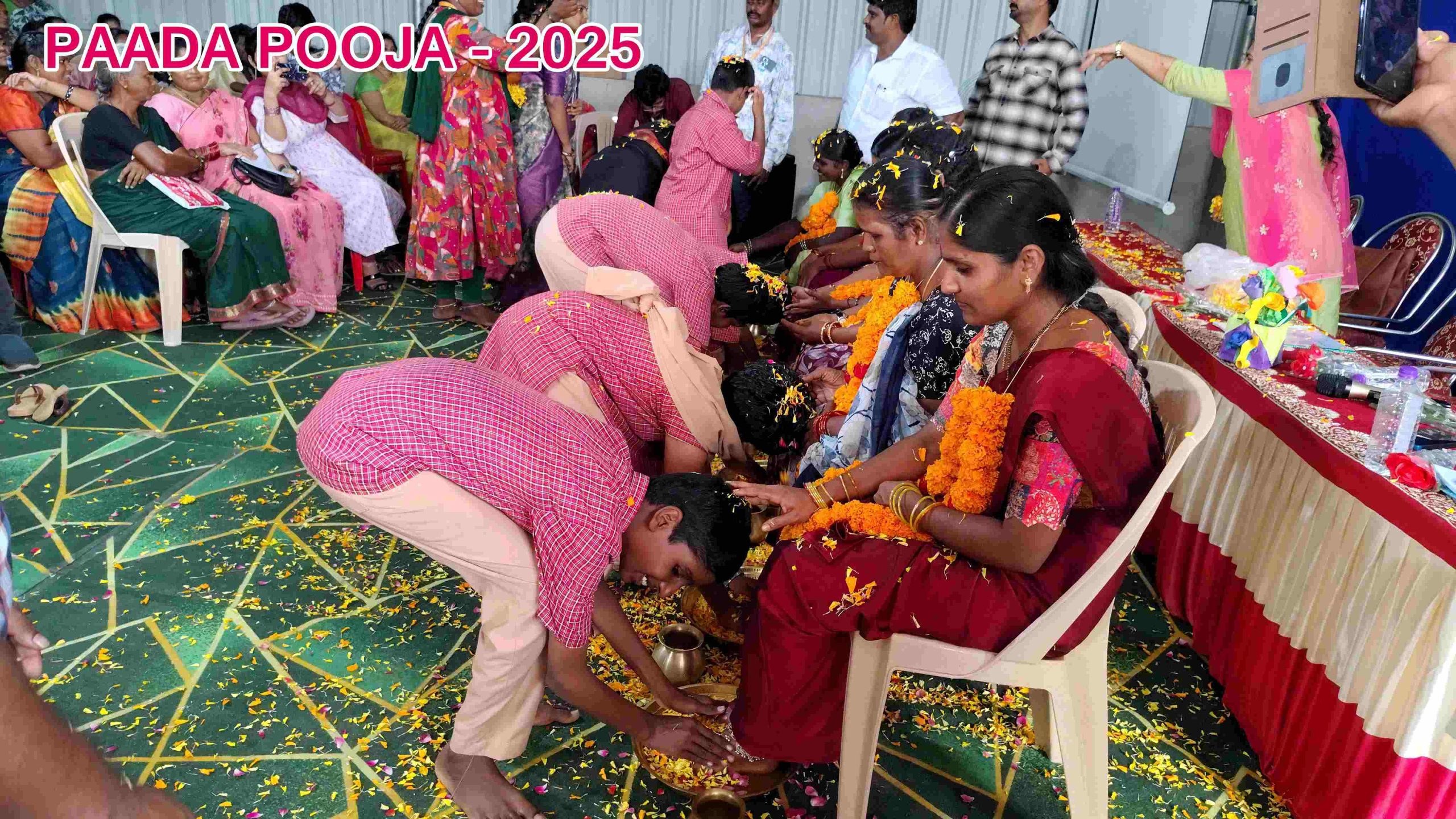
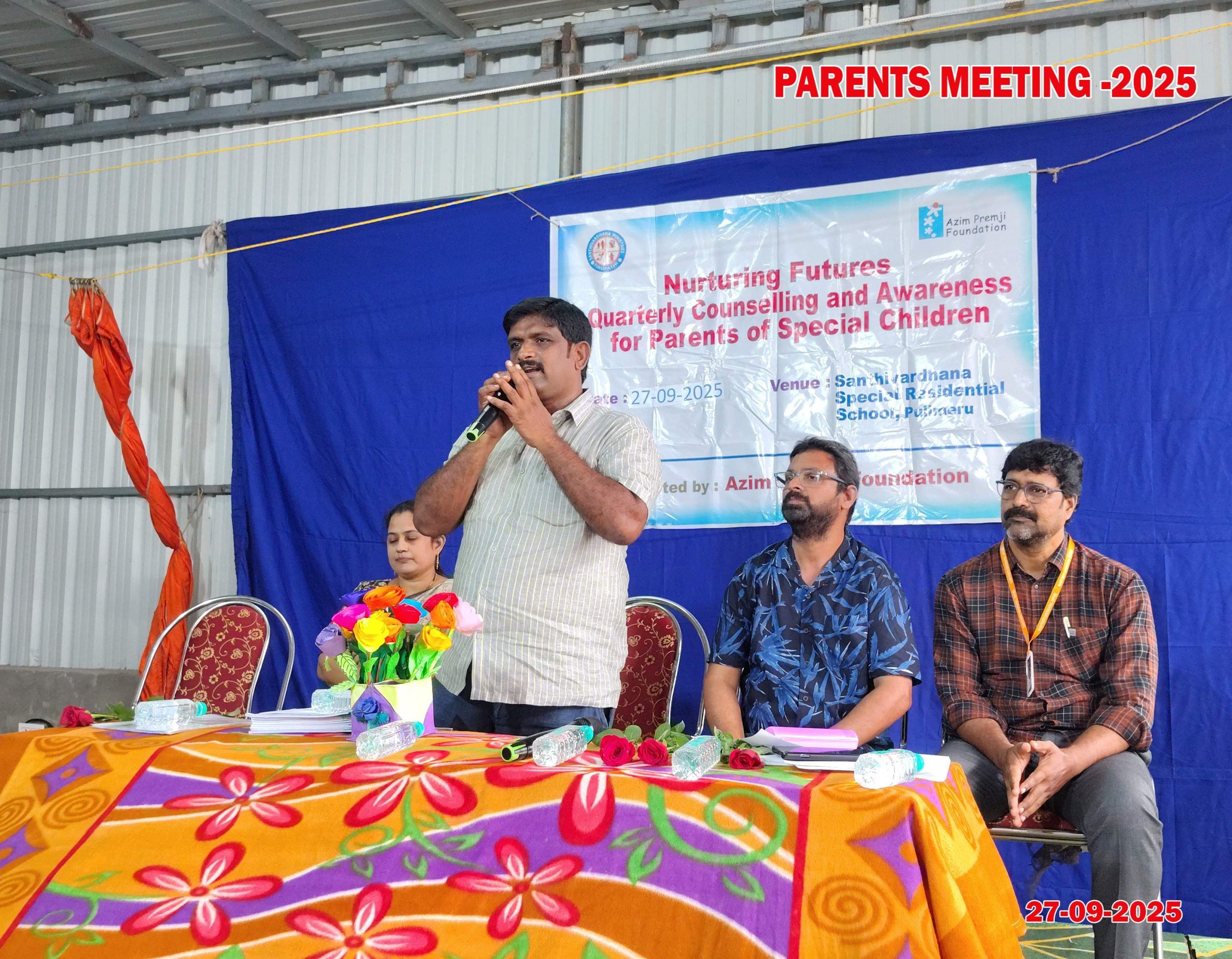
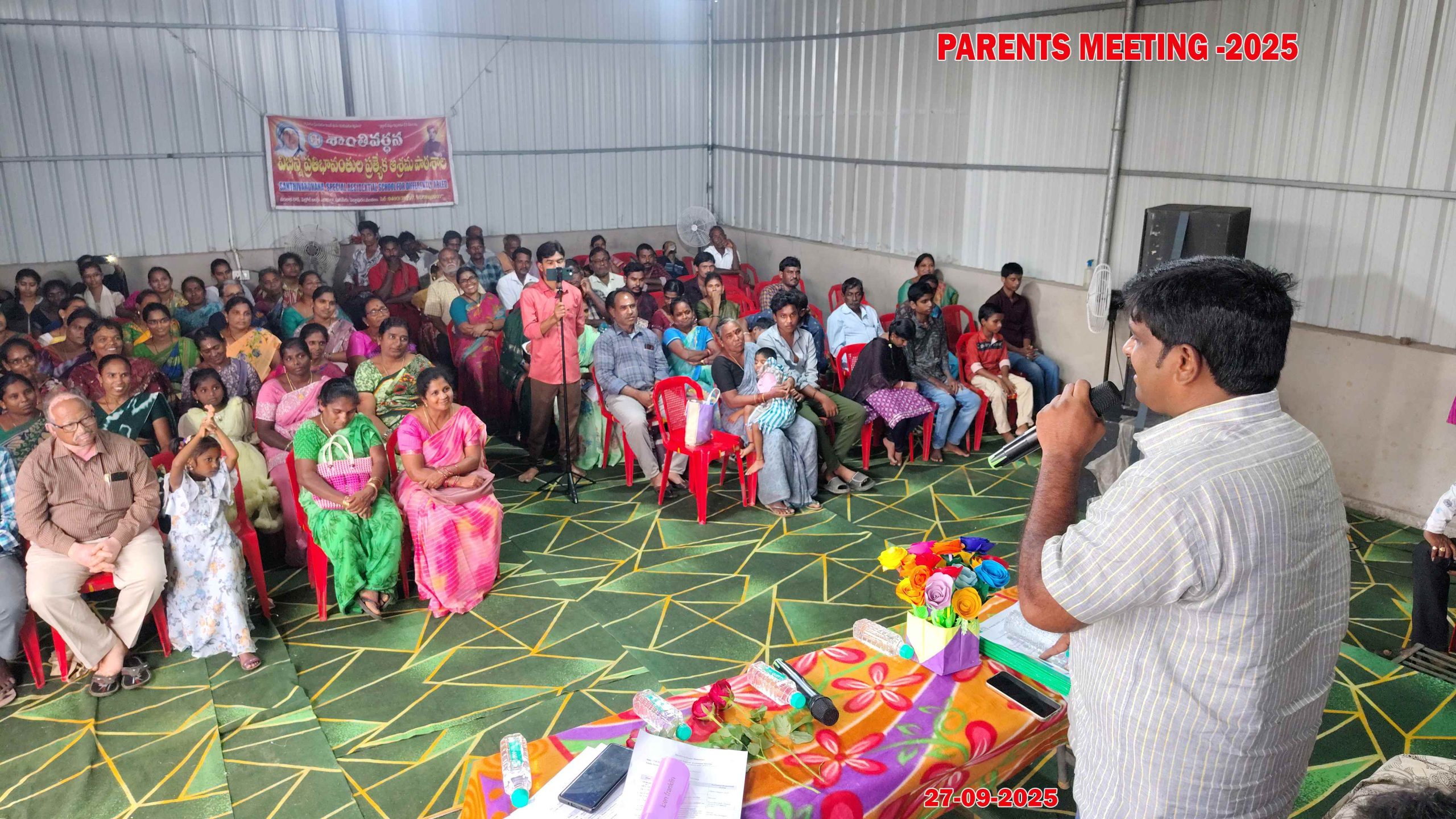
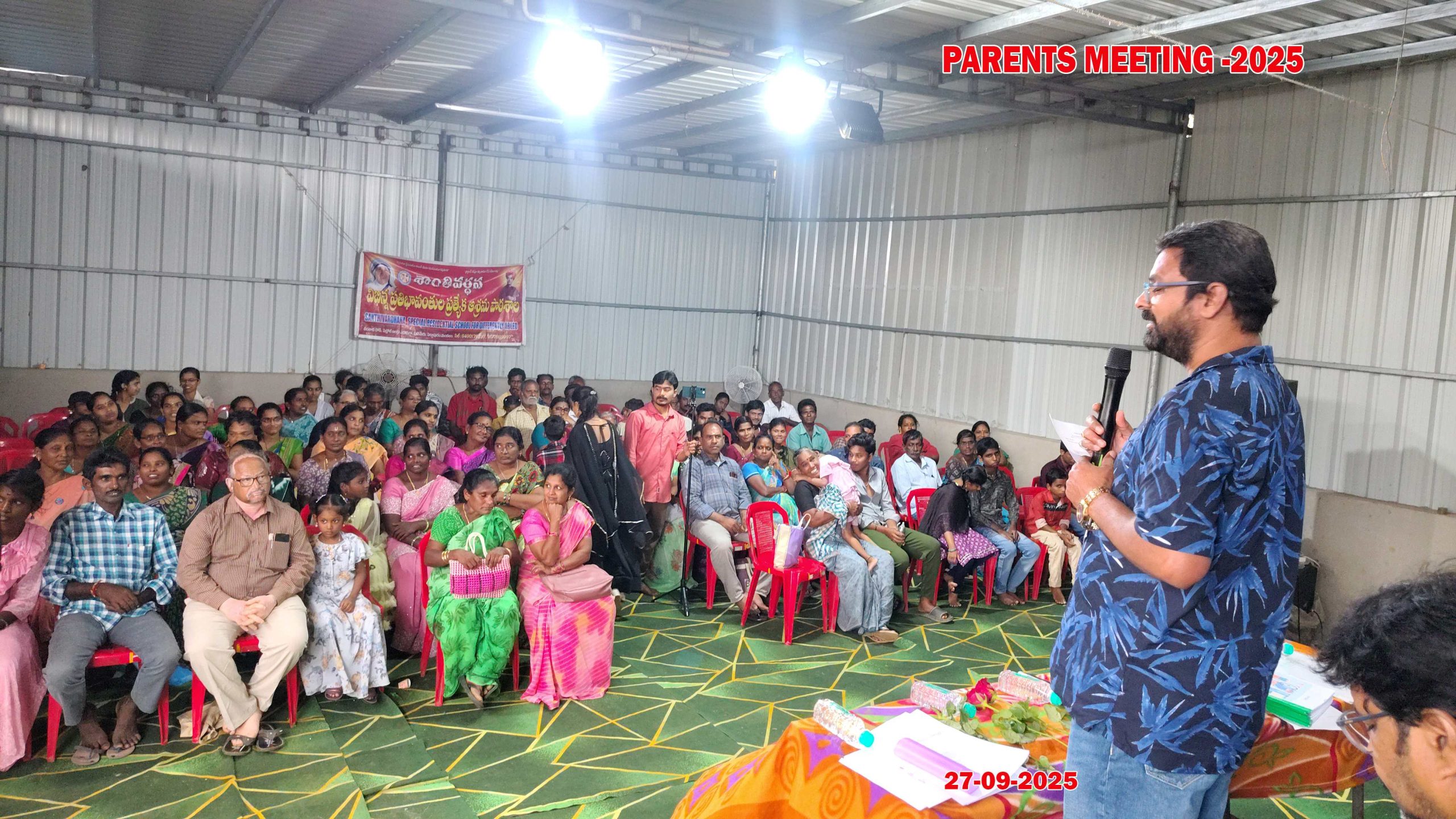
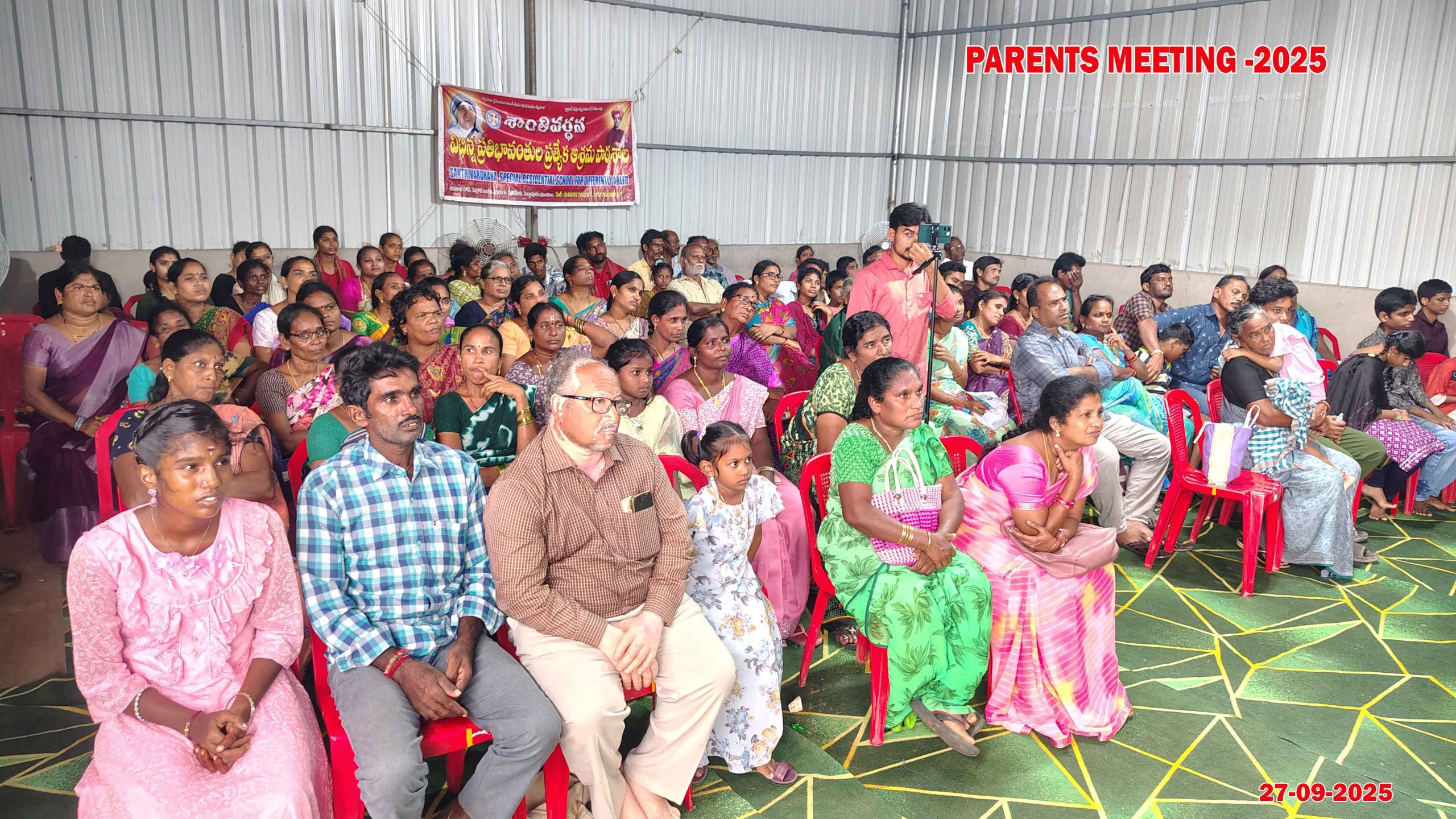
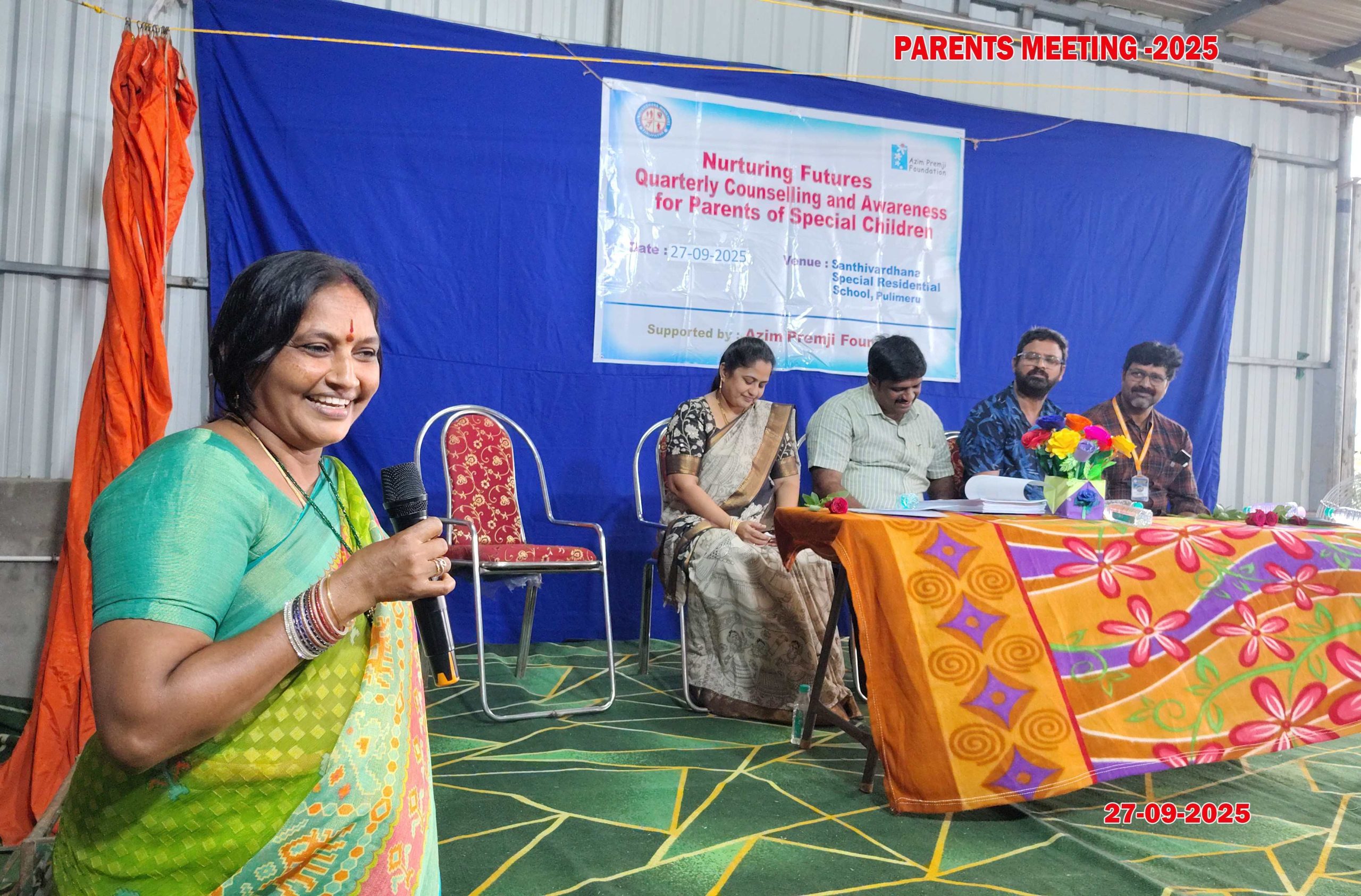
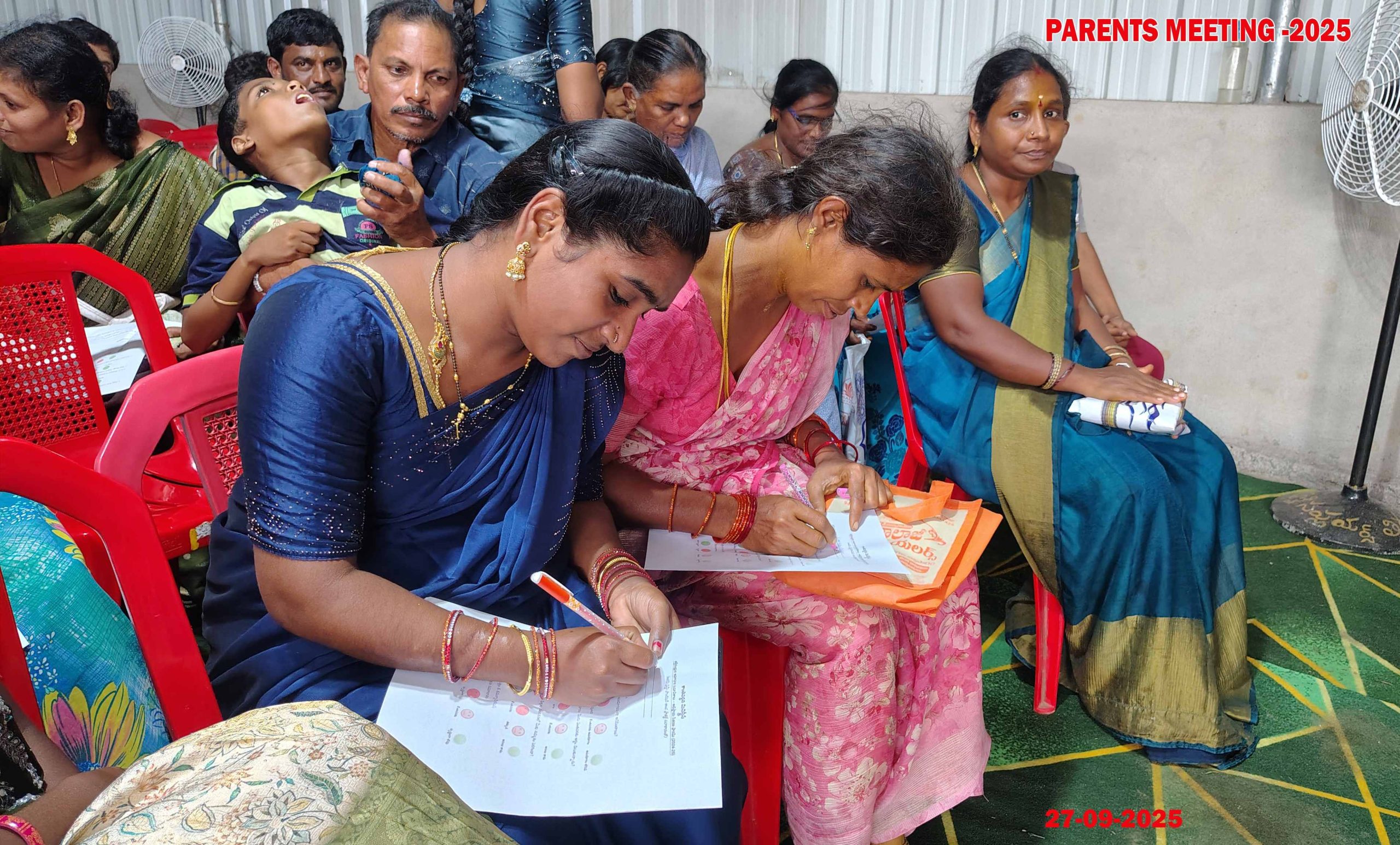
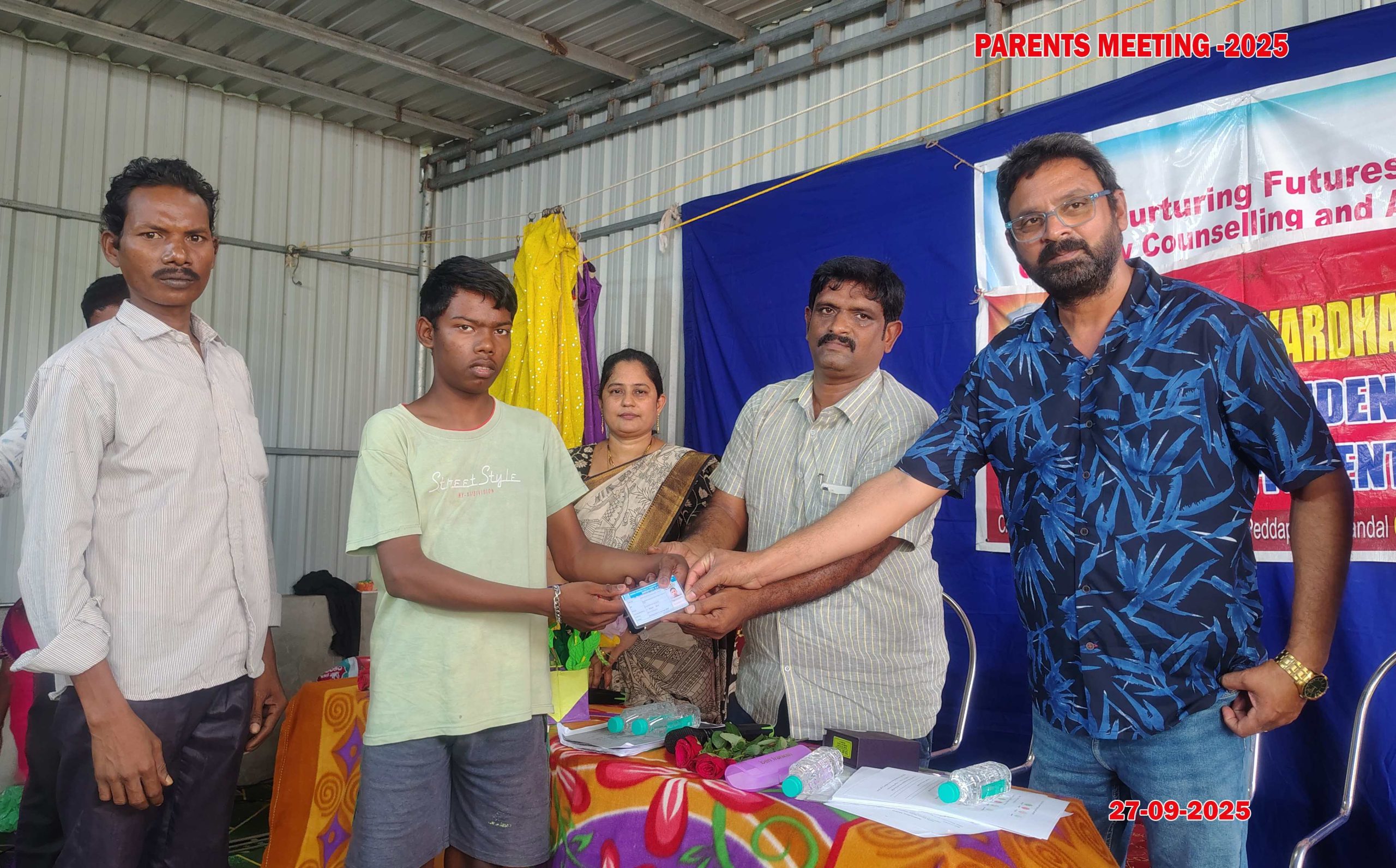
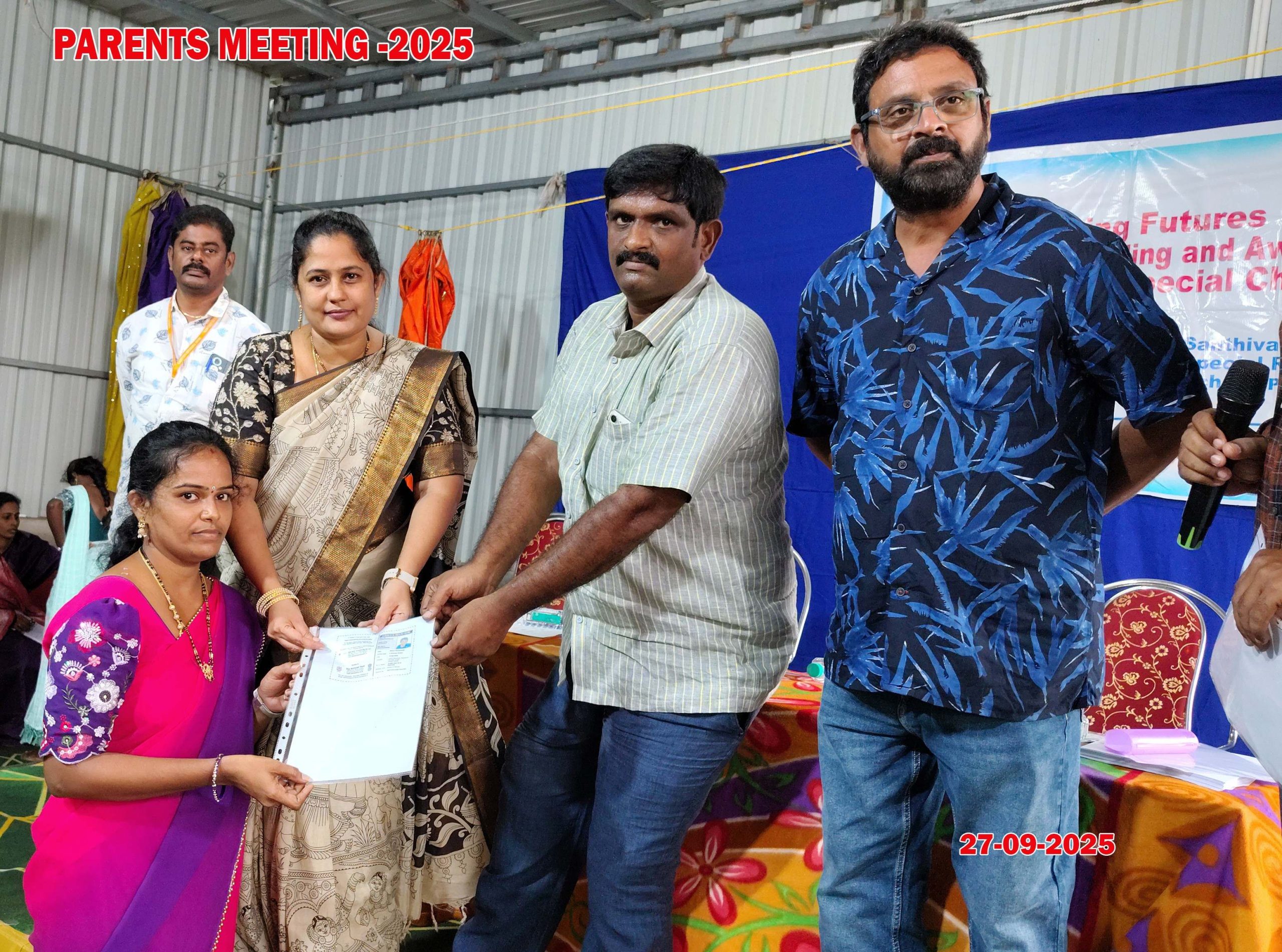
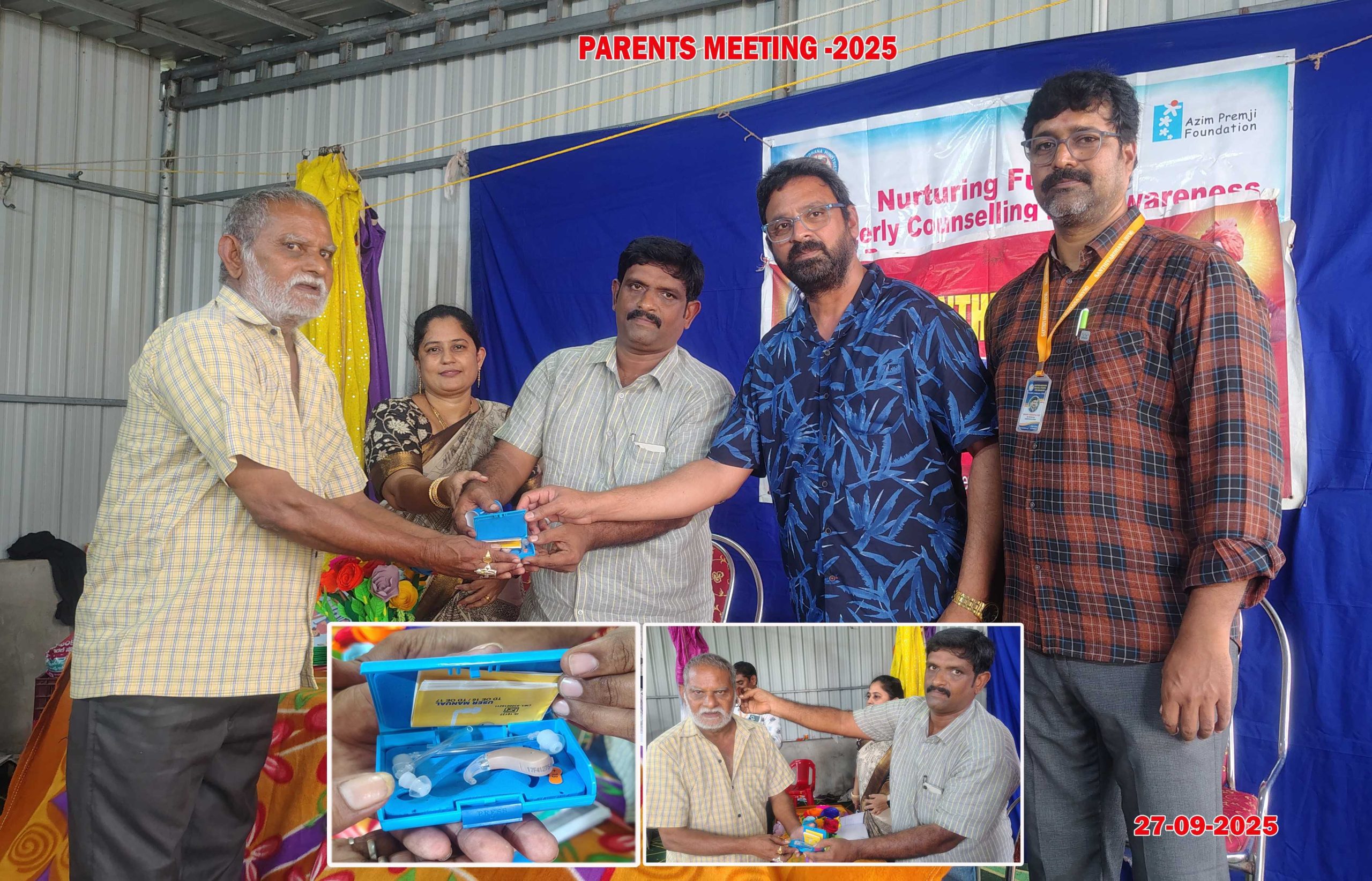
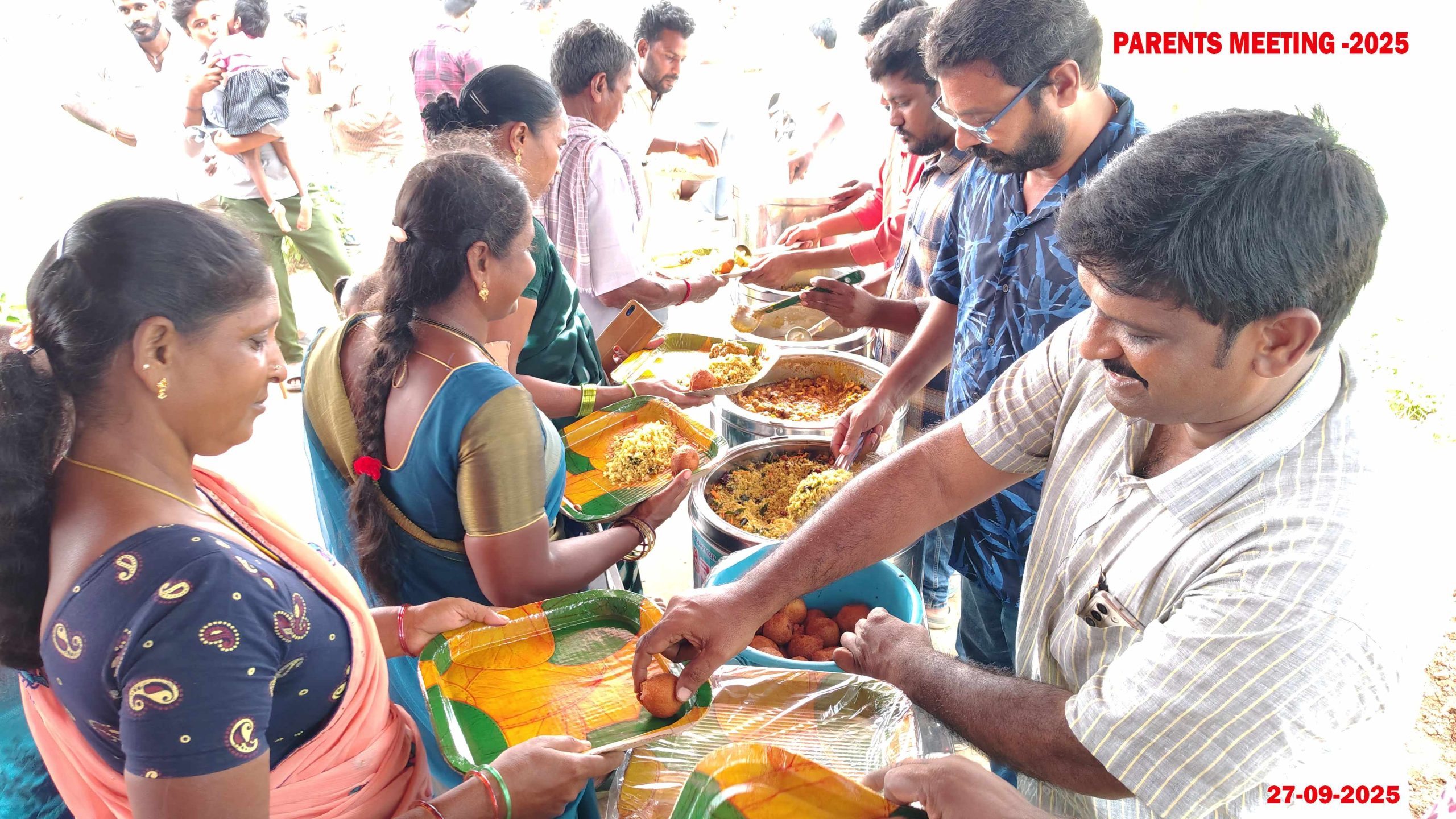
The Parent–Teacher Meet and Awareness Program organised by Santhivardhana Ministries under the ANDA (Azim’s Assistance for the Needs of the Differently Abled) Project, with the generous support of the Azim Premji Foundation, represents a well-designed, need-based, and impact-oriented intervention addressing one of the most critical gaps in disability care—parental awareness, confidence, and involvement.
The core concept of the program was to:
Position parents as active partners, not passive beneficiaries
Extend school-based learning and therapy into the home environment
Build emotional resilience and confidence among parents
Create a safe platform for dialogue, peer learning, and reassurance
Improve awareness of government schemes, entitlements, and rights
Quarterly meetings were deliberately planned to ensure continuity, reinforcement, and follow-up, rather than one-time awareness sessions. This design enabled gradual behaviour change, trust-building, and deeper engagement.
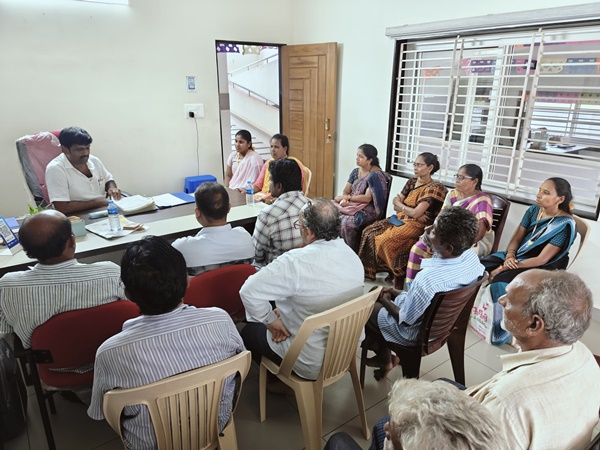
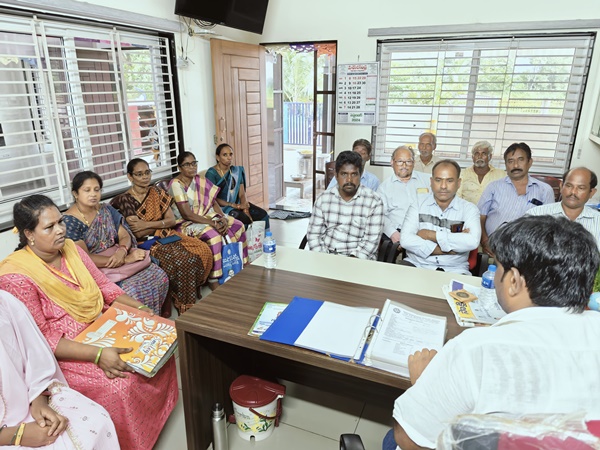
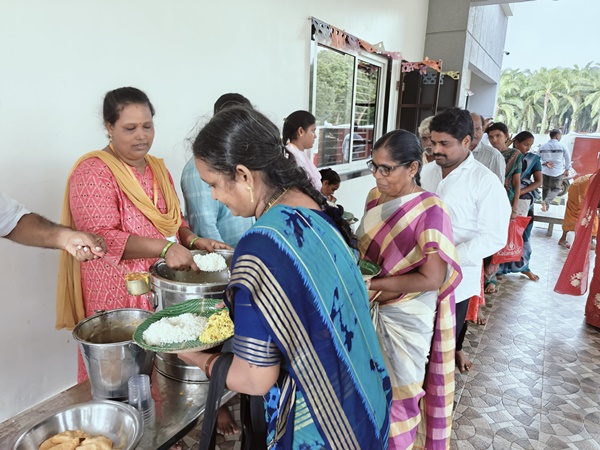
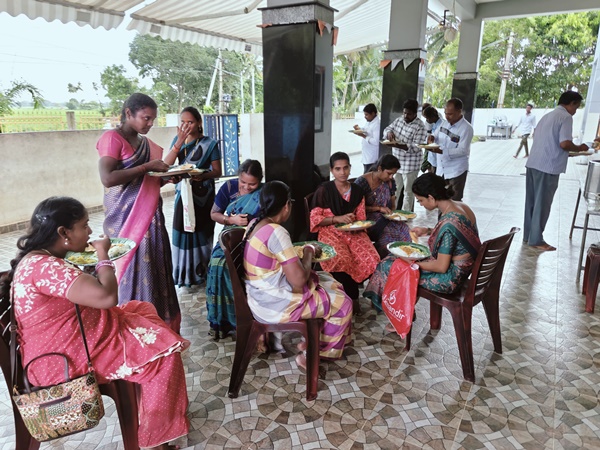
Across multiple quarterly meetings held at Santhivardhana centres, the program brought together:
Parents and caregivers of children with disabilities
Special educators, therapists, psychologists, and administrators
Each meeting followed a structured yet participatory format, including:
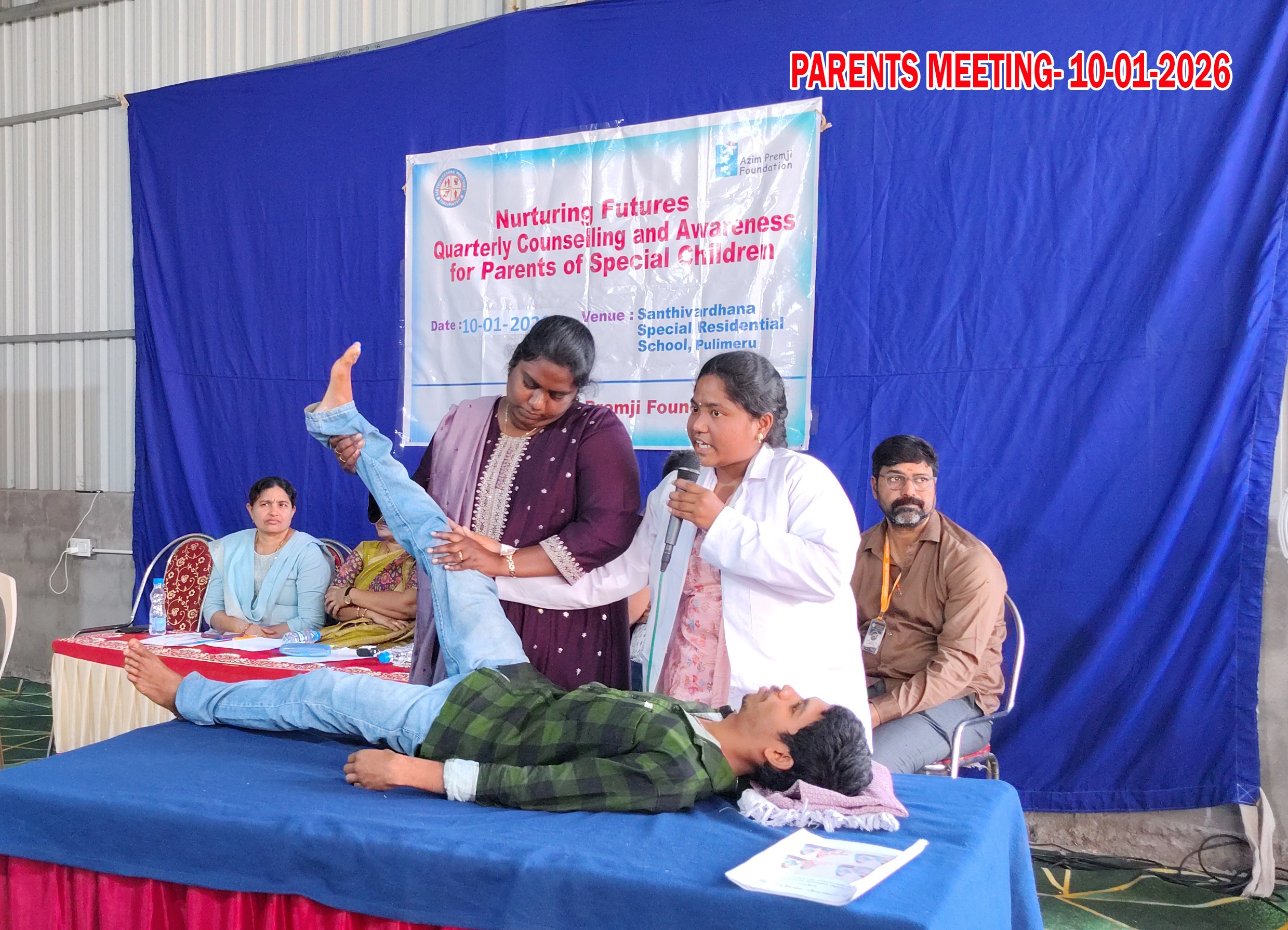
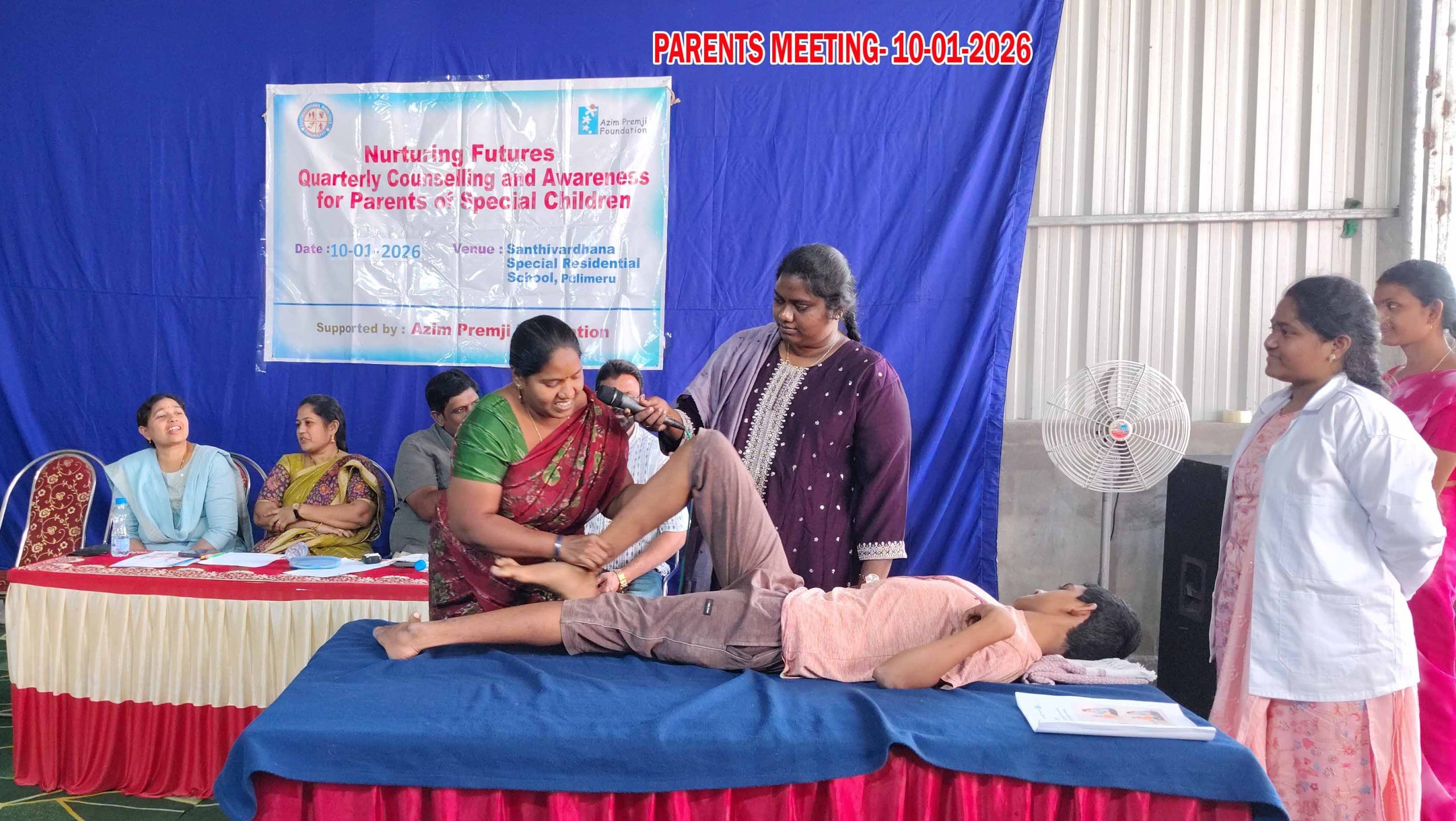
Awareness sessions on disability, home care, therapy routines, and behaviour management
Emotional support and counselling inputs
Demonstrations of practical exercises and daily living activities
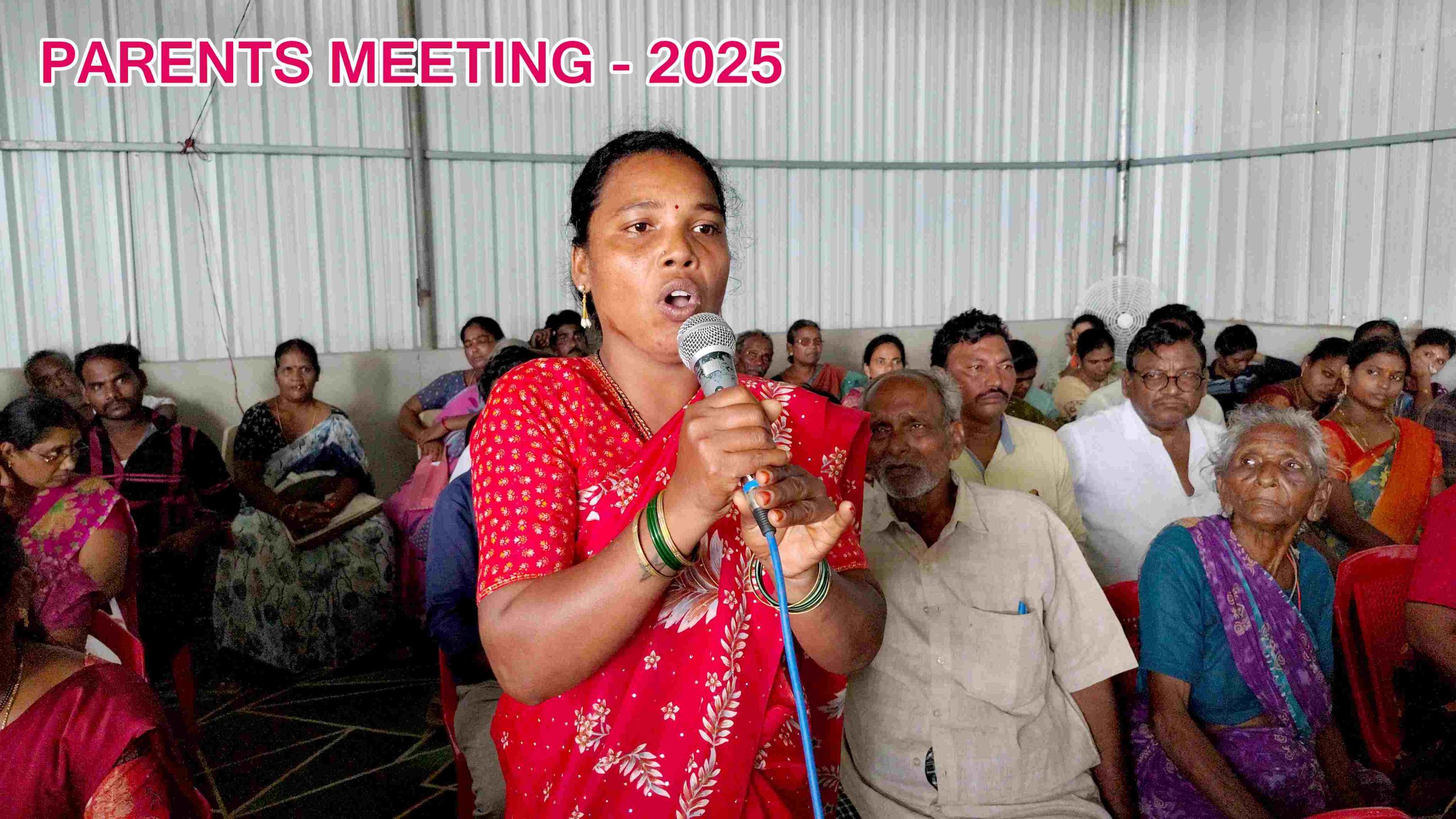
Open discussions and Q&A sessions
Sharing of real-life success stories to inspire parents
Collection of structured feedback to refine future interventions
High participation levels—ranging from 93 to over 150 parents per meeting—demonstrated strong community trust and relevance of the program .
Conclusion
The Parent–Teacher Meet and Awareness Program stands out as a strategically designed, deeply humane, and high-impact intervention that complements Santhivardhana’s core services in special education and rehabilitation. By empowering parents with knowledge, skills, emotional strength, and confidence, the program has successfully transformed homes into supportive learning environments, ensuring continuity of care and long-term developmental progress for children with disabilities.
Support from the Azim Premji Foundation has been instrumental in enabling this sustained engagement, regular follow-up, and quality implementation. The program has not only improved outcomes for children but has also restored hope, dignity, and resilience among families—laying a strong foundation for inclusive development and lasting social change.